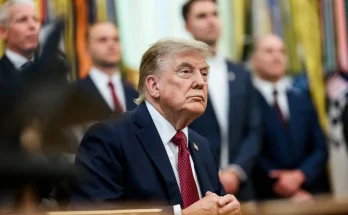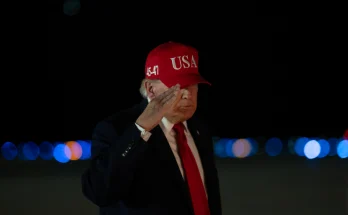

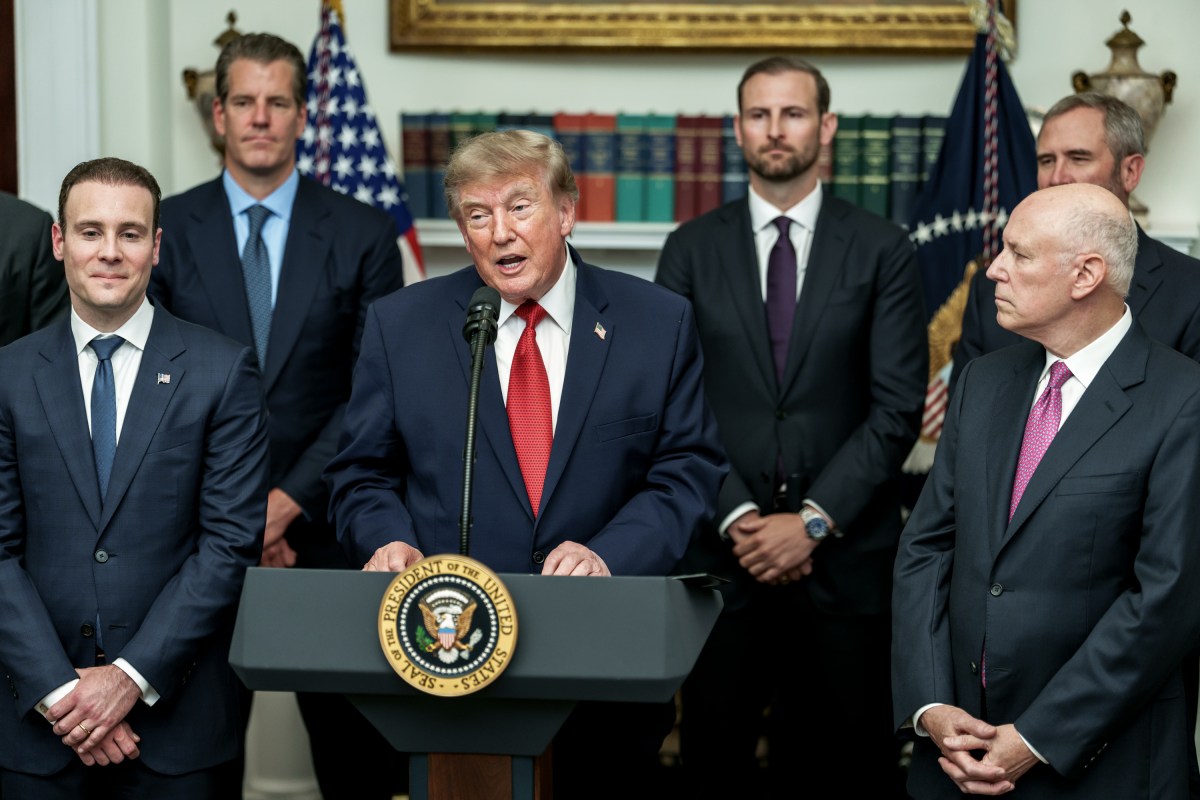
Donald Trump is known for having a distinctive way of speaking in public. Whether he is addressing a large crowd, answering questions from reporters, delivering a political speech, or speaking directly to Americans through television and social media, his communication style often attracts attention.
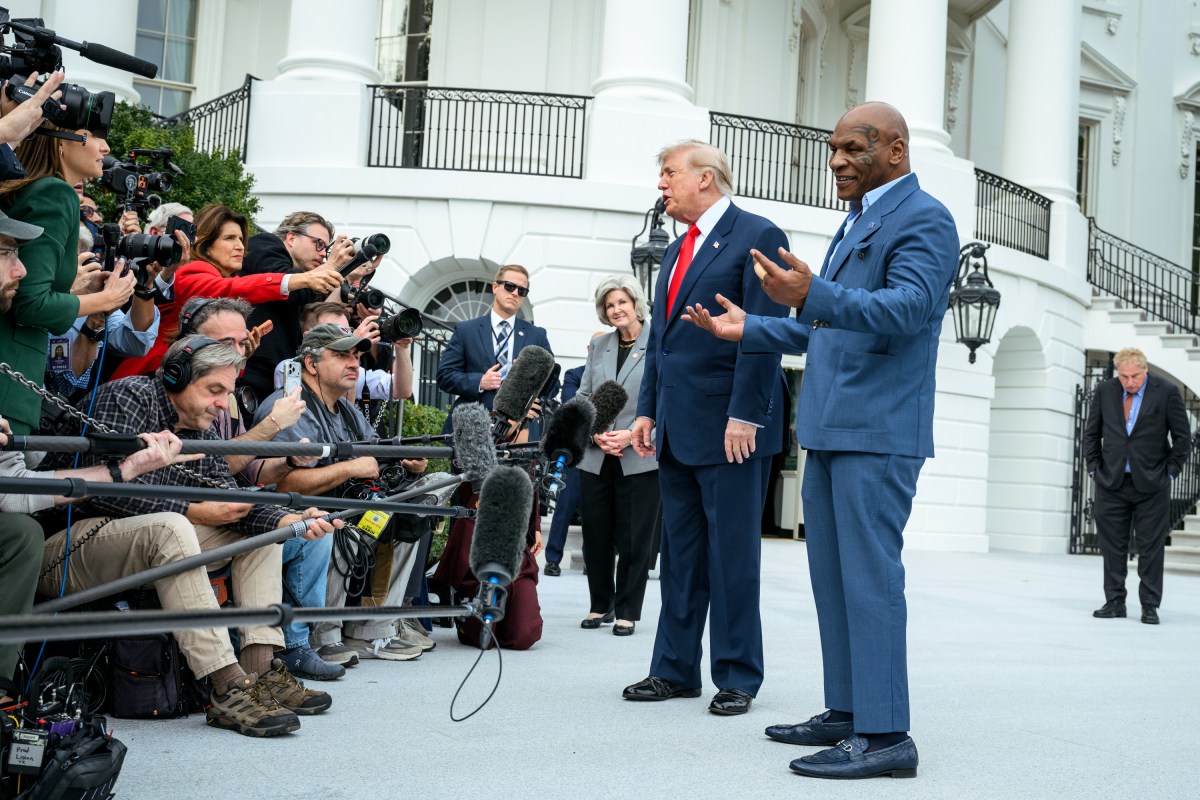
Some people appreciate his direct and energetic approach. They like the fact that he frequently uses everyday language, repeats important points, and speaks in a way that many viewers find easy to recognize.
Others have different opinions. They may prefer a more formal speaking style, more detailed explanations, or a calmer approach when discussing serious national issues.
And then there are people who sometimes appreciate his communication style but feel differently depending on the subject, the setting, or the message being delivered.
That is what makes this question interesting!
People do not all communicate in the same way, and they do not all respond to public figures in the same way either.
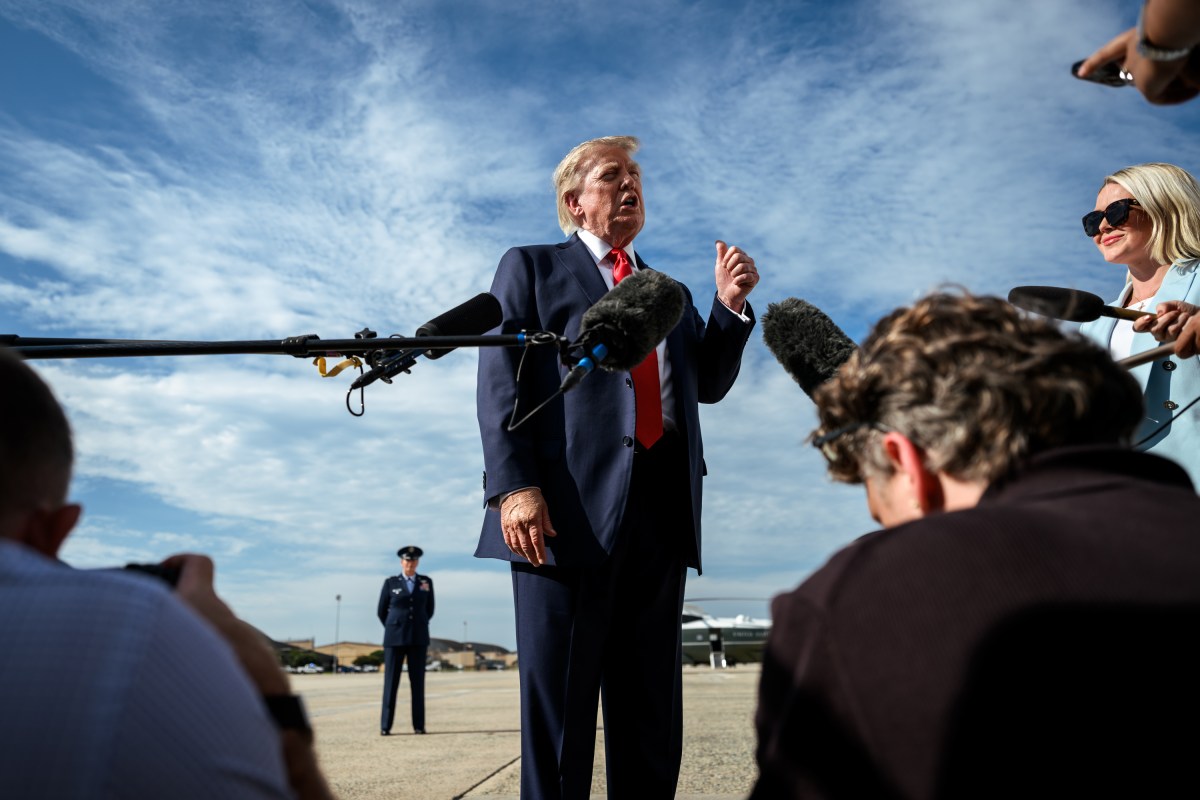
Some listeners value confidence and energy. Others prioritize clarity, accuracy, professionalism, and respect. Many people look for a combination of these qualities.
So, when you hear Donald Trump speaking to the public, what is your honest opinion?
Do you like his style?
Do you like it sometimes?
Or would you prefer something different?
There is no single answer that everyone has to choose. This is an opinion poll, and the goal is to give people an opportunity to express their own views.
━━━━━━━━━━━━━━━━━━━━
🅰️ A — ABSOLUTELY! 👍
If you selected A, you may appreciate Donald Trump’s distinctive way of communicating and the energy he often brings to public appearances.
For some listeners, one appealing feature of a speaker is the ability to communicate in a direct and memorable way.
Rather than using complicated language or highly technical expressions, a speaker may choose familiar words, short statements, and repeated phrases to emphasize important points.
This approach can make certain messages easier to recognize and remember.
People who appreciate a direct speaking style may feel that it creates a sense of immediacy. They can quickly understand the main subject being discussed and identify which points the speaker wants the audience to notice.
Another factor is personality.
Some public figures speak in a highly formal manner, while others adopt a more conversational approach. A conversational style can sometimes feel closer to an ordinary discussion than a traditional political address.
For listeners who enjoy that approach, a speech may feel more energetic and less scripted, even when the speaker is addressing a large audience.
Donald Trump’s public speaking often includes emphatic statements, familiar expressions, repetition, humor, and strong reactions to the topics he discusses.
Different audiences respond to these features differently, but they can contribute to a recognizable communication style.
Some supporters may also appreciate that he often expresses his views confidently and does not always follow the conventions associated with traditional political speeches.
They may see his approach as distinctive, memorable, or refreshing compared with the styles of other politicians.
However, enjoying a speaker’s style does not necessarily mean agreeing with every statement that person makes.
Someone can appreciate the delivery while evaluating each claim separately.
For example, a listener might like a speaker’s confidence but still want evidence to support a particular argument.
Another listener might enjoy the humor but disagree with a proposal discussed during the speech.
Communication style and the substance of a message are related, but they are not the same thing.
A confident presentation does not automatically make a claim accurate, just as a formal presentation does not automatically make every argument convincing.
Thoughtful listeners can appreciate a speaker’s strengths while still asking questions and considering the available evidence.
If you selected A, what do you like most about Trump’s speaking style?
Is it his confidence?
His energetic delivery?
His use of familiar language?
His ability to attract attention?
Or the fact that you often recognize his communication style immediately?
Perhaps it is a combination of several things.
Whatever your reason, your answer offers an interesting starting point for a conversation about what makes a public speaker effective.
━━━━━━━━━━━━━━━━━━━━
🅱️ B — SOMETIMES 🤔
If you selected B, your opinion may depend on the situation.
You might enjoy certain speeches or interviews while finding other appearances less appealing.
That is a perfectly understandable way to evaluate a public figure’s communication style.
A speaker can communicate effectively in one setting and less effectively in another.
For example, an informal conversation may benefit from a relaxed, conversational approach.
A serious discussion about national security, the economy, or an international crisis may require more precise explanations and careful attention to detail.
A speech intended to motivate a crowd might use repetition and emotional language to create a sense of excitement.
A press conference, on the other hand, may require the speaker to answer specific questions clearly and provide enough information for the audience to understand the subject.
Different situations call for different communication skills.
This is true not only for politicians but also for business leaders, teachers, journalists, public officials, and people speaking in everyday life.
Someone who enjoys energetic speeches may prefer a calmer tone when discussing a complicated policy.
Someone who appreciates humor may feel that a serious issue deserves a more measured approach.
Another person might enjoy a speaker’s confidence but want more organized explanations when the subject becomes technical.
These preferences do not necessarily contradict one another.
They reflect the fact that effective communication depends partly on the audience, the purpose of the conversation, and the subject being discussed.
You may also find that your opinion depends on the particular message.
If a speech focuses on a subject that interests you, you might pay more attention to what the speaker says and how the message is presented.
If the subject is unfamiliar or less relevant to your life, you might be less interested in the delivery.
The surrounding circumstances can matter as well.
A televised address, an unscripted interview, a campaign rally, and a short social media video are different formats.
The audience may have different expectations for each one.
For instance, viewers watching an interview may want direct answers to specific questions.
People attending a large rally may expect more energy and emotional emphasis.
Someone watching a short video may simply want to understand the main point quickly.
It is reasonable to evaluate the communication style in light of those differences.
If you chose B, perhaps you appreciate some aspects of Trump’s speaking style but would change other things.
You might like the directness but prefer more concise explanations.
You might appreciate the energy but prefer a calmer tone for serious subjects.
Or you might enjoy certain interviews while finding other public appearances less informative.
What makes the difference for you?
Is it the subject?
The tone?
The clarity of the explanation?
The amount of detail?
Or the way the speaker responds to questions?
Your answer might reveal which qualities matter most to you when listening to a public figure.
━━━━━━━━━━━━━━━━━━━━
🅲 C — YES 👍
The C option in this quiz is another positive answer, but it may reflect a simpler or more general reaction.
Perhaps you generally like Trump’s way of speaking but do not feel strongly enough to choose “Absolutely!”
Or perhaps you interpret the question as asking whether you enjoy listening to him overall, rather than whether you consider his communication style your favorite.
This highlights an interesting feature of multiple-choice polls: short answer options can mean slightly different things to different people.
For some participants, “Absolutely!” expresses strong enthusiasm.
For others, “Yes” simply indicates that they generally like the style.
Both answers are positive, but the level of enthusiasm may differ.
When creating a quiz, it is useful to consider whether each option represents a distinct response.
In this example, A and C are quite similar because both communicate approval.
That means some viewers might have difficulty deciding which positive answer best describes their opinion.
Still, if you selected C, you may simply be expressing a straightforward preference.
You might like Trump’s communication style without wanting to make a stronger statement about it.
Perhaps you find his speeches interesting.
Perhaps you think his style is easy to recognize.
Perhaps you enjoy hearing public figures who communicate in ways that differ from one another.
Or perhaps you generally prefer his approach to that of some other politicians.
There are many possible reasons for a positive answer, and the poll cannot determine which reason applies to every participant.
That is why an additional comment can make a simple poll more interesting.
For example, someone might say that they appreciate direct communication because it helps them follow the main topic.
Another person might say that they prefer speakers who explain their arguments in a calm and organized way.
Someone else might enjoy humor and storytelling.
These comments can help illustrate how different communication styles appeal to different people.
It is also important to distinguish between liking a speaker and agreeing with every statement that speaker makes.
A person may appreciate the way someone communicates while disagreeing with some of their political positions.
Another person might agree with a particular policy but dislike the way it is presented.
Political opinions, communication preferences, and judgments about individual statements do not always fit neatly into one category.
A short answer such as “Yes” cannot capture every detail of a person’s perspective.
If you selected C, what is the main reason you like Trump’s way of speaking?
Is it his confidence, his directness, his humor, his energy, or something else?
You do not have to agree with every part of a person’s message to have an opinion about how that person communicates.
Sometimes the most interesting conversations begin when people explain the reasons behind a simple answer.
━━━━━━━━━━━━━━━━━━━━
🅳 D — NO 👎
If you selected D, you may prefer a different approach to public speaking.
That does not necessarily mean you dislike everything Donald Trump says or that you disagree with every political position he holds.
It simply means that his communication style may not be your preference.
People have different expectations when listening to politicians and other public figures.
Some prefer a formal tone.
Others value carefully organized arguments and detailed explanations.
Some appreciate a speaker who remains calm, even when discussing controversial subjects.
Others want public figures to answer questions directly, avoid unnecessary repetition, and distinguish clearly between facts, opinions, and promises.
A person who prefers these qualities may find a highly emphatic or conversational style less appealing.
For example, you might prefer speeches that introduce a subject, explain the relevant facts, outline possible solutions, and summarize the main points.
You might appreciate a speaker who defines important terms, explains the reasoning behind a proposal, and acknowledges the limitations or uncertainties involved.
You might also prefer a more measured delivery when discussing difficult subjects.
These are legitimate preferences.
Public speaking is not simply about attracting attention. It is also about helping an audience understand a message.
A memorable phrase can be useful, but listeners may still need detailed information to evaluate a complicated argument.
A confident tone can make a speech engaging, but confidence alone cannot establish whether a statement is accurate.
Similarly, a calm and formal delivery may sound professional, but it does not guarantee that the speaker’s arguments are correct.
The quality of communication depends on several factors, including clarity, organization, relevance, supporting evidence, and the ability to address the audience’s questions.
Different listeners may place different levels of importance on each factor.
If you selected D, perhaps you prefer speakers who explain complicated issues in a structured way.
Perhaps you dislike excessive repetition.
Perhaps you would rather hear a calmer tone when discussing national challenges.
Or perhaps you simply prefer the communication style of another public figure.
You do not need to share every detail of your political views to explain a communication preference.
You can focus on the qualities you value in a speaker and why those qualities matter to you.
For example, you might say that you prefer direct answers, well-organized arguments, or more detailed explanations.
That gives other people something specific to consider without turning the conversation into a personal attack.
What would you like to hear more of from public figures?
Would you prefer clearer explanations, more supporting evidence, shorter answers, a calmer tone, or something else?
Your answer could help explain what you consider effective public communication.
━━━━━━━━━━━━━━━━━━━━
🎤 WHAT MAKES A POLITICAL SPEAKER EFFECTIVE?
Now that we have explored the four answers, let’s consider a broader question.
What actually makes someone an effective public speaker?
Is it confidence?
Is it the ability to hold an audience’s attention?
Is it clear language?
Is it the ability to explain difficult subjects?
Or is it a combination of several qualities?
There is no single characteristic that guarantees effective communication in every situation.
A speaker addressing a large crowd may need different skills from someone answering questions during a press conference.
An interview may require concise answers and careful listening.
A formal speech may require a clear structure and a logical progression from one point to the next.
A public announcement about a complicated issue may require definitions, examples, and supporting information.
However, some communication principles are useful in almost every setting.
First, clarity matters.
Listeners should be able to understand the main point without having to guess what the speaker means.
Clear communication does not always require simple answers to difficult questions.
Sometimes a subject is genuinely complicated.
But a speaker can still explain the issue in a way that helps the audience understand the main ideas and recognize which details require further investigation.
Second, organization matters.
A well-organized explanation helps listeners follow the argument.
When a speaker moves logically from the problem to the evidence and then to a possible solution, the audience may find it easier to evaluate the reasoning.
Third, accuracy matters.
Public figures frequently discuss subjects that can affect people’s understanding of important events and decisions.
Listeners benefit when speakers distinguish confirmed information from personal opinions, predictions, and proposals.
When a claim is uncertain, acknowledging that uncertainty can help the audience understand what is known and what remains unresolved.
Fourth, listening matters.
Communication is not only about delivering a message.
It also involves understanding questions, responding to concerns, and recognizing when an explanation has not addressed what the audience wants to know.
A public figure may be a compelling speaker but still need to improve how they respond to difficult questions.
Fifth, respect matters.
People can disagree strongly about public issues without insulting one another.
A speaker who addresses opposing arguments carefully can help an audience understand the disagreement more clearly.
Respectful communication does not require avoiding criticism.
It means focusing criticism on the relevant claims, actions, and arguments rather than relying on personal insults.
Finally, substance matters.
A speech can be entertaining and memorable, but listeners may also want to know what the speaker is actually proposing.
What is the main idea?
What evidence supports it?
What practical steps are being suggested?
What uncertainties or obstacles remain?
These questions can help people evaluate the content independently of the speaker’s personality.
Different audiences will weigh these qualities differently.
Some prioritize energy and confidence, while others prioritize structure and detail.
Many people want both.
That is why opinions about a public figure’s speaking style can vary so widely.
━━━━━━━━━━━━━━━━━━━━
💬 DOES THE WAY A POLITICIAN SPEAKS AFFECT YOUR OPINION?
Imagine listening to two politicians discuss the same issue.
Both present similar proposals, but they communicate in different ways.
The first politician speaks confidently, uses energetic language, and repeats a few memorable phrases.
The second politician speaks more slowly, organizes the argument into several sections, and provides additional details.
Which speaker would you prefer to listen to?
Your answer might depend on the subject and the amount of information you want.
If you are looking for a quick overview, the first speaker’s approach might feel more engaging.
If you want to examine the details of a complicated proposal, the second speaker’s approach might be more useful.
You might also prefer a combination: a clear opening that captures your attention, followed by a detailed explanation that supports the main argument.
This example illustrates why communication style can influence how people experience a speech.
The delivery affects how a message is presented, but it does not independently establish whether the message is true or whether a proposal is likely to succeed.
A useful approach is to consider both the presentation and the substance.
Ask yourself whether the speaker explains the issue clearly, whether the claims can be supported, and whether the proposed actions make sense in light of the available information.
It can also help to recognize your own preferences.
If you naturally enjoy confident speakers, you might find their presentations engaging.
If you prefer calm and organized explanations, you might respond more positively to speakers who use that approach.
Recognizing these preferences can help you separate your immediate reaction to a person’s delivery from your evaluation of the actual argument.
The same principle applies beyond politics.
Teachers, business leaders, journalists, and community representatives all communicate with different styles.
Some rely on storytelling.
Others use examples, statistics, humor, or structured explanations.
An effective communicator chooses an approach that fits the audience and the purpose of the message.
There is no requirement for every speaker to sound identical.
At the same time, the audience has every right to evaluate whether the approach is effective for the situation.
So, when you listen to Donald Trump or another public figure, do you find that the speaking style influences your overall impression?
Or do you mainly focus on the information being presented?
━━━━━━━━━━━━━━━━━━━━
🧠 CONFIDENCE, CLARITY, AND CREDIBILITY
Three qualities often come up when people discuss public speaking: confidence, clarity, and credibility.
Although these qualities can work together, they are not interchangeable.
Confidence refers to how assured a speaker appears when delivering a message.
A confident speaker may communicate with strong emphasis, maintain a steady delivery, and present ideas decisively.
Confidence can make a presentation feel energetic, but it does not prove that every statement is correct.
Clarity refers to how easily the audience can understand the message.
A clear speaker explains the main point, uses language appropriate to the audience, and organizes information so that listeners can follow the reasoning.
A speaker can be confident without being clear, just as a speaker can be clear without appearing especially dramatic.
Credibility concerns whether the audience has good reasons to trust the information being presented.
Credibility may depend on the speaker’s record, the quality of the evidence, the accuracy of previous statements, and whether the current claims can be independently verified.
A person may sound confident and communicate clearly while still making a claim that requires further checking.
Likewise, a speaker who sounds cautious may be discussing a subject where the available evidence genuinely contains uncertainty.
These distinctions are important because people sometimes judge a message based on how it sounds rather than examining what it says.
A confident delivery can make an argument memorable, but the argument still needs to be evaluated on its merits.
A well-organized speech can make a complicated subject easier to follow, but organization alone cannot guarantee that the information is accurate.
Credibility is strengthened when claims are supported by reliable evidence and when speakers are willing to clarify mistakes or acknowledge uncertainty.
These principles can be applied to any politician, regardless of party or personal preference.
They can also help viewers make more thoughtful decisions about the information they encounter online.
If you appreciate Trump’s speaking style, you can still evaluate individual claims carefully.
If you dislike his speaking style, you can still consider the substance of a particular argument on its merits.
The same standard should apply to other public figures as well.
A fair evaluation does not require every speaker to have the same personality.
It requires attention to what is being communicated and how well the message is supported.
━━━━━━━━━━━━━━━━━━━━
🇺🇸 WHY AMERICANS MAY HAVE DIFFERENT OPINIONS
The United States includes people with a wide range of backgrounds, experiences, political preferences, and communication habits.
Some people follow political news every day.
Others check the news occasionally.
Some enjoy watching speeches and interviews, while others prefer written reports or short summaries.
Even among people who watch the same speech, reactions can differ.
A viewer may appreciate the speaker’s confidence.
Another may focus on whether the answers are direct.
Someone else may be more interested in the details of the policies being discussed.
These differences can arise from personal preferences, previous experiences, and the issues people consider most important.
A person who values concise answers might become frustrated when a speaker gives a lengthy response.
A person who enjoys storytelling might appreciate examples and anecdotes.
Someone who prioritizes technical detail might want more explanation than a general audience requires.
No single communication style will appeal equally to everyone.
That is true of Donald Trump, just as it is true of other well-known politicians and public figures.
Some viewers may enjoy his distinctive approach, while others may prefer a more traditional or formal style.
Still others may evaluate each appearance separately.
It is important not to assume that one answer to this poll represents a person’s entire political outlook.
Liking a speaking style does not necessarily mean supporting every policy.
Disliking a speaking style does not necessarily mean opposing every proposal.
And being undecided about a speaker’s delivery does not mean a person has no opinion about the issues being discussed.
A simple poll can reveal preferences, but it cannot tell us everything about the people who participate.
That is why respectful questions can be useful.
Instead of asking someone why they hold an entire political position based on one answer, ask which specific communication qualities they like or dislike.
That makes the discussion more precise and gives participants an opportunity to explain their reasoning.
Different opinions are not a problem to be eliminated.
They are an opportunity to understand what different people value when they listen to public figures.
━━━━━━━━━━━━━━━━━━━━
📱 HOW SOCIAL MEDIA CHANGES THE WAY WE HEAR PUBLIC FIGURES
Today, people can encounter a politician’s words in many different formats.
They might watch a complete speech on television, view a short clip on Facebook, read a quotation in an online article, or encounter a discussion about the speech in a social media feed.
Each format provides a different experience.
A complete speech offers the opportunity to follow the message in its original order.
A short clip may highlight one particular moment.
A written quotation can make a statement easy to share, but it may not provide all the surrounding context.
A commentary video may explain a statement while also presenting the creator’s interpretation of it.
This variety gives people more ways to access information, but it also creates reasons to be careful.
A short clip may be accurate while still leaving out details that help explain the original statement.
A headline may emphasize one part of a speech while giving less attention to another.
Two commentators may focus on different moments because they have different interests or audiences.
For these reasons, it can be useful to check the original source when a statement seems especially important or controversial.
If a claim is central to a discussion, consider looking at the full exchange or reading reliable reporting that provides the relevant context.
You can also distinguish between a direct quotation and someone’s interpretation of what the quotation means.
These habits are useful whether the speaker is Donald Trump or someone else.
They can help people avoid drawing conclusions from incomplete information.
Social media also makes it easier for people to discuss public figures with audiences beyond their immediate communities.
That can introduce viewers to perspectives they might not otherwise encounter.
However, online discussions can sometimes become heated, especially when political disagreements are involved.
A useful way to keep conversations constructive is to focus on specific statements and explain the reasons for your opinion.
Instead of simply saying that a speaker is good or bad, describe the qualities that influence your judgment.
Do you value direct answers?
Do you prefer detailed explanations?
Do you think humor makes a speech more engaging?
Do you want public figures to provide more evidence for their claims?
Specific observations give other people something meaningful to respond to.
They also make a poll more informative than a simple exchange of approval and disapproval.
━━━━━━━━━━━━━━━━━━━━
🤝 HOW TO DISAGREE WITHOUT TURNING THE DISCUSSION INTO AN ARGUMENT
Political discussions can be meaningful, but they can also become frustrating when participants assume that everyone who disagrees with them has bad intentions.
A poll about Donald Trump’s speaking style offers a simple opportunity to practice a better approach.
Suppose someone comments that they enjoy his confidence.
You might prefer a more formal speaking style.
Instead of dismissing their opinion, you could ask which qualities they find appealing.
[10/26/26 3:06 AM] Hogake: They might explain that they appreciate direct language or energetic delivery.
You can acknowledge their preference without needing to share it.
Likewise, if someone says they dislike his communication style, you can ask which aspects they find less effective.
Perhaps they prefer shorter answers, less repetition, or more detailed explanations.
Understanding the reason behind an opinion does not require agreeing with it.
It simply helps make the conversation more specific.
There is also a difference between criticizing a communication choice and attacking the person who made it.
Saying that a particular answer lacked detail identifies something that can be discussed.
Calling everyone who disagrees with you unintelligent does not help explain your position.
The same principle applies in every direction.
People should be able to express approval, criticism, uncertainty, or indifference without being pressured to adopt someone else’s view.
A respectful discussion can still include strong disagreements.
Participants can challenge claims, request evidence, and point out inconsistencies.
The goal is not to prevent disagreement.
The goal is to make disagreement more informative and less personal.
This is especially useful on social media, where short comments can easily be misunderstood.
A little additional context can help explain what someone means and reduce the likelihood of unnecessary conflict.
If you decide to comment on this quiz, consider explaining one specific reason for your answer.
You might say that you prefer direct communication, or that you value a calmer tone when discussing serious subjects.
You might appreciate a speaker’s energy while still wanting more supporting evidence.
Or you might simply prefer another person’s speaking style.
Each of these answers can contribute to a more thoughtful conversation.
━━━━━━━━━━━━━━━━━━━━
⭐ FINAL QUESTION: WHAT MATTERS MOST TO YOU?
We have looked at several aspects of Donald Trump’s public speaking, including directness, confidence, energy, clarity, organization, and the importance of evaluating the substance of a message.
Now the choice is yours.
When you hear Donald Trump speaking to the public, how do you feel about his communication style?
Do you enjoy the way he delivers his message?
Do you appreciate it in some situations but not others?
Do you generally like it without feeling especially enthusiastic?
Or would you prefer a different approach altogether?
Think about what you value most when listening to a public figure.
Is it the ability to hold your attention?
Is it the use of clear and familiar language?
Is it a calm and professional tone?
Is it the ability to answer difficult questions directly?
Or is it the quality of the information being presented, regardless of the delivery?
Your answer might reflect one preference or a combination of several.
There is no need to choose an option simply because you think other people expect you to.
This poll is an opportunity to express your own view.
And remember, a person’s communication style and the substance of their political message are two different things.
You can appreciate the delivery while examining the claims carefully.
You can dislike the delivery while still considering a proposal on its merits.
You can also be undecided, especially when different speeches or interviews leave different impressions.
The most useful conversations often begin when people explain the reasons behind their answers.
So, if you feel comfortable sharing, tell us what matters most to you when a politician speaks to the public.
Do you prefer confidence, clarity, professionalism, humor, detailed explanations, or something else?
Let’s hear different perspectives and keep the discussion respectful.
━━━━━━━━━━━━━━━━━━━━
🇺🇸 NOW IT’S YOUR TURN!
🅰️ ABSOLUTELY! 👍
🅱️ SOMETIMES 🤔
🅲 YES 💬
🅳 NO 👎
👇 COMMENT A, B, C, OR D!
💭 What do you like or dislike about Donald Trump’s way of speaking to the public?
[10/26/26 3:06 AM] Hogake: Do you think a politician’s speaking style influences how people respond to the message, or is the content more important than the delivery?
Share your opinion and explain your choice if you wish.
Different people have different preferences, and respectful discussion gives everyone a chance to explain their perspective.
🇺🇸 LET’S TALK ABOUT COMMUNICATION, PUBLIC SPEAKING, AND WHAT MAKES A MESSAGE EFFECTIVE!