
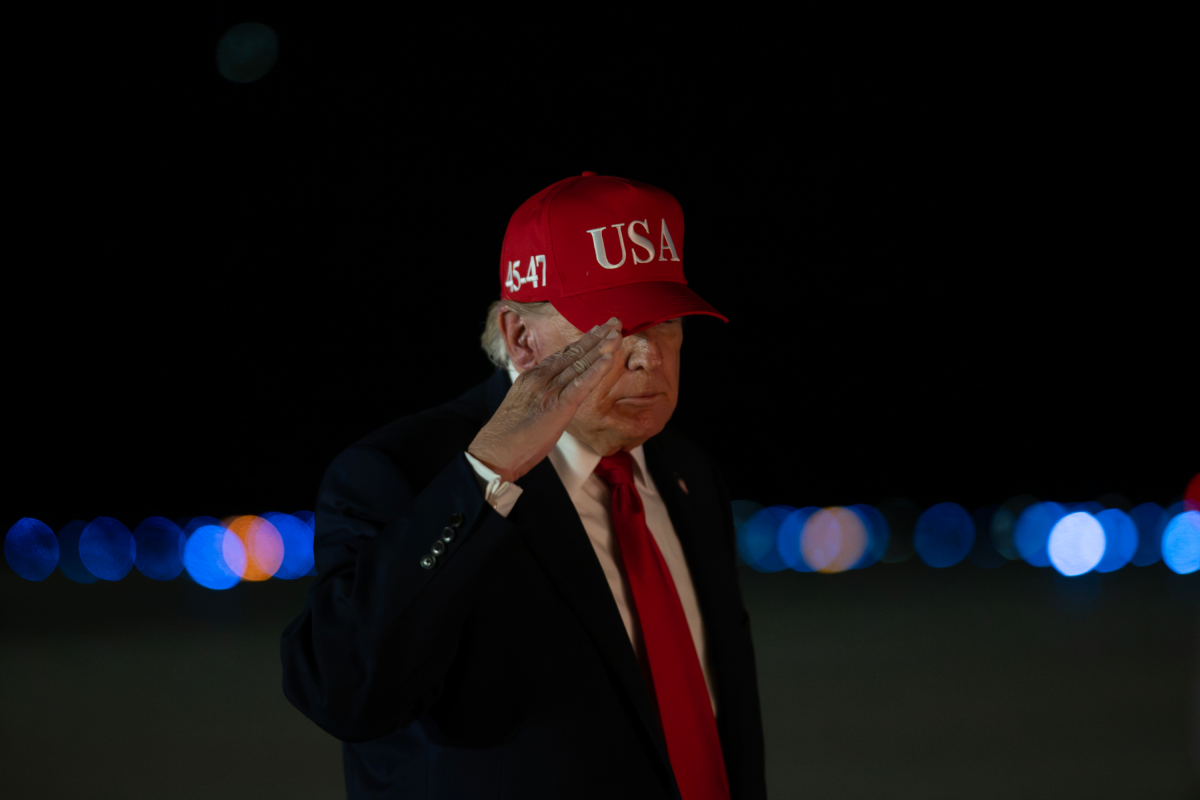
Imagine turning on your television tonight and discovering that President Donald Trump is preparing to deliver a major speech about the future of the United States.
The announcement immediately catches your attention.
Millions of Americans are going about their daily lives, working hard to support their families, taking care of their responsibilities, and thinking about what tomorrow might bring. Some are optimistic about the direction of the country, while others have concerns about the challenges America continues to face.
Then comes the question: Would you take the time to listen to what the president has to say?
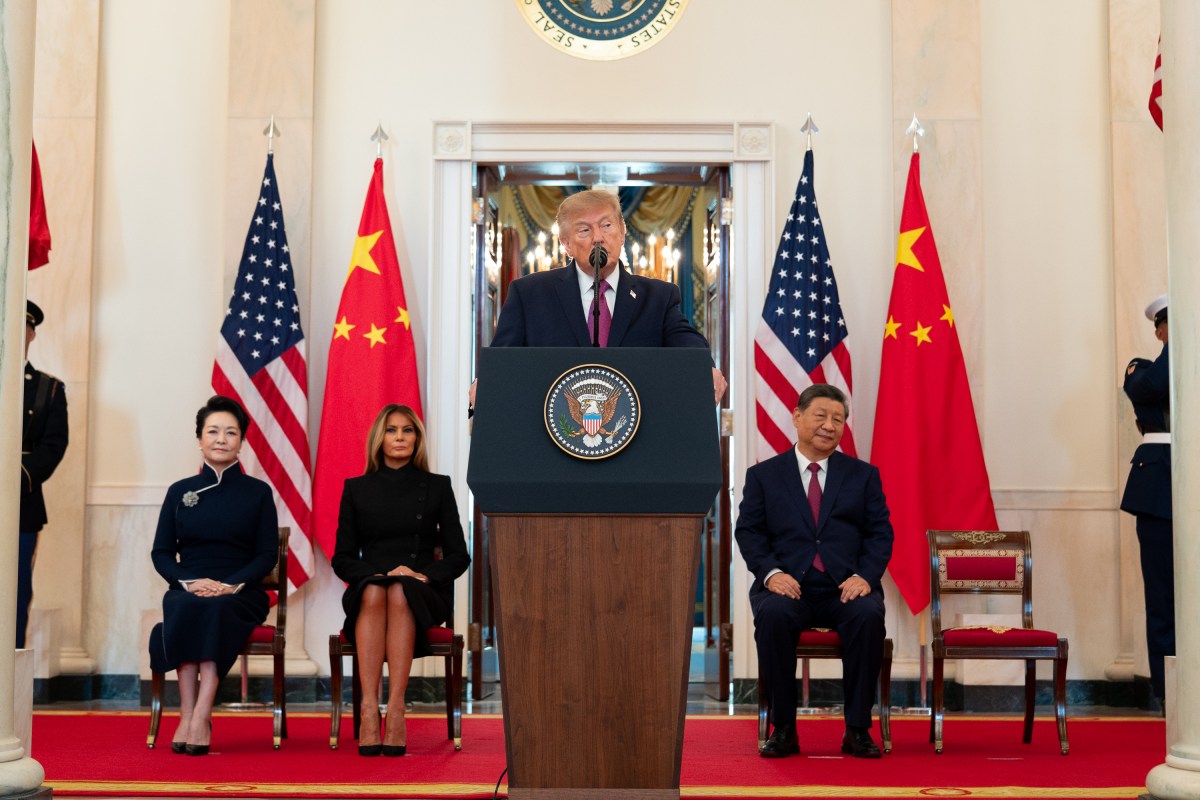
For some Americans, the answer would be an immediate YES! They would want to hear his message directly, understand his priorities, and learn what he believes should happen next.
For others, the decision might depend on the subject of the speech, the issues being discussed, or whether the announcement contains information that could affect their daily lives.
And, of course, some people might prefer to wait until the following morning and watch the highlights instead.
There is no single answer that represents every American. People have different experiences, political views, priorities, and expectations for their country’s future.
That is exactly what makes this question interesting!
━━━━━━━━━━━━━━━━━━━━
🅰️ A — ABSOLUTELY! 📺
If you selected A, you might be someone who wants to hear the complete message rather than relying on short clips or secondhand explanations.
Watching a major presidential speech from beginning to end can provide an opportunity to understand the speaker’s arguments, listen to the details, and decide for yourself what you think about the message.
You might want to hear which issues receive the most attention, what goals are discussed, and what ideas are presented for the future.
You might also be interested in the way the speech is delivered, the examples used to explain important points, and the questions that could arise afterward.

For some viewers, watching a speech live makes the experience feel more immediate. They can follow the announcement as it happens instead of waiting for someone else to summarize it later.
Others appreciate being able to evaluate the entire message in context. A short video clip might contain an interesting sentence, but the surrounding discussion can sometimes provide additional information that changes how the statement is understood.
Watching the full speech allows viewers to form their own opinions about the content, presentation, and significance of the announcement.

Of course, watching a speech does not automatically mean agreeing with everything the speaker says.
Someone can watch carefully, consider the arguments, and still disagree with particular proposals or conclusions.
The important distinction is between listening to a message and accepting it without question.
A thoughtful viewer can remain curious, examine the available information, and reach an independent conclusion.
If you would absolutely watch Trump’s speech, what would interest you most?
Would you want to hear about the economy, jobs, immigration, national security, international relations, or the direction of the country over the coming years?
Would you be interested in the entire speech, or would you mainly want to hear the announcements that could have the greatest impact on ordinary Americans?
Perhaps you would simply want to understand what the president considers his most important priorities at this moment.
Whatever your reason, choosing A suggests that you would make time to hear the message directly.
And that raises another interesting question: How important is it for citizens to listen to major political announcements before deciding what they think about them?
━━━━━━━━━━━━━━━━━━━━
🅱️ B — MAYBE 🤔
If you selected B, your answer might depend on what the speech is about.
That is a reasonable consideration because not every announcement receives the same level of attention from every viewer.
A speech about an issue that directly affects your family, your work, your community, or your financial situation might be more interesting to you than a speech about a subject you rarely follow.
For example, imagine that the announcement focuses on the American economy.
You might want to know whether the president discusses inflation, employment, wages, taxes, housing costs, or the challenges facing small businesses.
These subjects can be important to people who are trying to manage household expenses, save for the future, purchase a home, or build a more secure financial life.
Someone who owns a small business might be particularly interested in proposals involving taxes, regulations, hiring, or access to customers.
A parent might pay closer attention to policies that could affect education, childcare, family expenses, or opportunities for the next generation.
A person approaching retirement might be interested in discussions involving retirement security, healthcare costs, and the long-term stability of public programs.
Different people have different reasons for paying attention to political announcements.
That is why the subject of a speech can make such a difference.
Another reason someone might choose B is that they want to know whether the speech contains genuinely new information.
If the announcement introduces a significant proposal, explains a major policy change, or addresses an important national issue, they might decide to watch the entire event.
If the speech mainly repeats information they have already heard, they might prefer to read a summary afterward.
There is also the question of time.
Many Americans have busy schedules. They work long hours, commute, care for children, look after relatives, manage businesses, and handle responsibilities that cannot simply be postponed.
Even someone who follows politics closely might not have enough time to watch every major announcement.
In that situation, choosing B does not necessarily indicate a lack of interest.
It might simply mean that the person wants to decide whether the speech deserves their attention.
The most interesting part of this answer is the possibility that your decision could change depending on the circumstances.
Perhaps you would watch a speech about an important economic announcement but skip one focused on a subject that does not interest you.
Perhaps you would watch the opening minutes and decide whether to continue.
Or perhaps you would wait until the following day to see what information was actually announced.
So, if you selected B, here is a question worth considering:
What would make you decide to watch the entire speech?
Would it be the topic, the importance of the announcement, the possibility of new information, or something else entirely?
━━━━━━━━━━━━━━━━━━━━
🅲 C — HIGHLIGHTS ONLY 🎬
If you selected C, you might prefer getting the most important information without committing to an entire speech.
In today’s digital world, people have many ways to follow the news.
Some watch television broadcasts. Others read news articles, listen to podcasts, follow live updates, or watch short video summaries on their phones.
There is no single method that everyone prefers.
For viewers with limited time, highlights can be a convenient way to understand the main points of a major announcement.
Instead of watching an entire speech, they can look for a reliable summary of the major topics, important statements, and proposals discussed during the event.
This approach can be especially useful when someone wants to remain informed but has other responsibilities to manage.
Imagine finishing a long day at work.
You arrive home, prepare dinner, spend time with your family, and finally have a few minutes to relax.
You might be interested in what happened during the president’s speech, but you may not want to spend an hour or more watching the entire event.
A concise summary could help you identify the most important announcements and decide whether any subject deserves further attention.
Highlights can also make it easier to revisit a particular statement.
For example, if a speech contains a section about the economy that interests you, you might watch that portion rather than the entire presentation.
However, there is an important consideration when relying on short clips.
A highlight does not always communicate the full context of a statement.
A sentence taken from a longer discussion might leave out an explanation that helps viewers understand what the speaker meant.
Different publishers might also select different moments from the same speech, depending on their editorial priorities and the audience they serve.
As a result, two people watching different collections of clips could come away with very different impressions of the same event.
That does not mean highlights are automatically unreliable.
It simply means that viewers should consider where the clips come from, whether the surrounding context is available, and whether the summary accurately reflects the original statement.
When a claim is especially important or controversial, watching the relevant portion of the original speech can help clarify what was actually said.
Checking reputable reporting and comparing multiple sources can also help people distinguish between a confirmed announcement, an interpretation, and an opinion.
For someone who chooses C, the goal might be to balance convenience with curiosity.
They can follow the main developments without watching every minute, while still looking for additional information when something catches their attention.
This is a practical approach for people who want to stay informed while managing busy schedules.
But it raises another question.
Can a short highlight give you enough information to understand an important political announcement, or do you sometimes need to hear the full explanation?
The answer might depend on the subject, the complexity of the proposal, and how much detail you want to understand.
━━━━━━━━━━━━━━━━━━━━
🅳 D — NO THANKS 👎
If you selected D, you might simply prefer not to spend your time watching the speech.
People have different interests, and politics is not everyone’s preferred subject.
Some people follow presidential announcements closely because they believe political decisions can influence important aspects of national life.
Others would rather focus their attention on their careers, families, hobbies, education, businesses, or personal goals.
Some viewers may feel that they have already heard enough political discussion through television, online news, and social media.
Others might prefer to learn about major announcements only when the information becomes relevant to something they care about.
There are also people who are uncomfortable with the highly emotional atmosphere that can sometimes surround political discussions.
They may prefer to avoid arguments and focus on conversations that bring them enjoyment, relaxation, or a sense of connection with others.
Choosing not to watch one particular speech does not necessarily mean that someone has no interest in the future of the United States.
A person might follow economic news without watching presidential speeches.
Someone else might read official announcements or news reports instead of watching television.
Another person might pay attention to elections but avoid daily political commentary because they find it exhausting.
There are many ways to remain aware of what is happening in the world.
At the same time, major public announcements can contain information that some people may eventually find relevant to their lives.
For that reason, even viewers who skip a speech might later decide to read a summary or examine a particular proposal.
The decision can be different for everyone.
The important point is that people should be able to make their own choices about how they spend their time and which sources of information they prefer.
A respectful discussion should leave room for different opinions without assuming that everyone who skips a speech has the same reason.
Some people might be uninterested in the subject.
Others might have personal commitments.
Still others might simply prefer a different way of receiving information.
If you selected D, what is your main reason?
Do you generally avoid political speeches, or would you make an exception if the announcement concerned an issue that mattered directly to you?
Your answer could reveal an interesting difference between people’s interests and their preferred ways of following current events.
━━━━━━━━━━━━━━━━━━━━
🇺🇸 WHY THIS QUESTION IS WORTH DISCUSSING
At first glance, this poll seems simple.
Would you watch a major speech about America’s future?
Yes, maybe, highlights only, or no thanks.
But behind those four choices are several interesting questions about how people receive information, evaluate public announcements, and decide which issues deserve their attention.
For one person, watching the entire speech might be the best way to understand the announcement.
For another, a reliable summary might provide everything they need.
Someone else might wait until they know more about the topic before deciding whether to watch.
And another person might prefer to spend their evening doing something completely different.
These differences are normal.
People have different schedules, responsibilities, interests, and expectations.
They also have different experiences with news and political communication.
Some people enjoy following public debates closely, while others prefer to check the news occasionally.
Some want detailed explanations, while others prefer short summaries.
Some want to compare different perspectives, while others focus on a few subjects that directly affect their lives.
Understanding these differences can make public conversations more productive.
Instead of assuming that everyone should respond to a political announcement in the same way, it can be more useful to ask why different people make different choices.
A person who watches the entire speech might value direct access to the speaker’s words.
Someone who chooses highlights might value efficiency.
A person who selects maybe might want more information before committing their time.
And someone who selects no thanks might have other priorities.
None of these answers automatically tells us whether a person supports or opposes the president.
That distinction matters because watching a political speech is not the same thing as endorsing its message.
A viewer can watch because they agree with the speaker, disagree with the speaker, want to understand a proposal, or simply want to learn what was announced.
Likewise, choosing not to watch does not automatically reveal someone’s political beliefs.
People’s reasons are often more complicated than a single poll option can explain.
That is one reason open-ended discussions can be interesting.
A multiple-choice poll makes it easy to participate, but a comment can reveal the reasoning behind a choice.
Someone might select A because they enjoy hearing complete explanations.
Someone else might select A because they want to evaluate the claims for themselves.
Both choose the same answer, but their motivations might be different.
Similarly, two people who select C might have completely different reasons for preferring highlights.
One might have a busy schedule, while the other might simply prefer short videos.
The poll provides a starting point for a conversation rather than a complete picture of every participant’s views.
━━━━━━━━━━━━━━━━━━━━
🗣️ LET’S TALK ABOUT WHAT MATTERS MOST
Imagine that the speech is announced and you have decided to watch at least part of it.
What would you hope to learn?
Would you be most interested in the economy?
For many households, economic questions are part of everyday life.
People think about grocery prices, rent or mortgage payments, fuel costs, insurance, wages, savings, and the cost of raising a family.
A major economic announcement might therefore attract attention from people who want to understand what the government proposes to do and how those proposals could affect the country.
Would you be more interested in jobs and business opportunities?
Employment can influence the choices people have available to them, their ability to support their families, and their confidence about the future.
Business owners may also be interested in the conditions that affect hiring, investment, and expansion.
Or perhaps you would be more interested in immigration and border policy.
These subjects involve questions about laws, enforcement, national priorities, economic needs, and the experiences of different communities.
People can hold strong and differing opinions about how these issues should be addressed.
Another possibility is national security.
Some viewers may want to hear about the country’s defense priorities, international relationships, or efforts to respond to global challenges.
Others might be more interested in education, healthcare, infrastructure, energy, or technology.
There is no shortage of subjects that could become part of a major national address.
However, the most important issue will not necessarily be the same for every viewer.
A person running a business might focus on economic proposals.
A student might be more interested in education and future employment.
A family dealing with high living expenses might pay particular attention to household costs.
Someone who follows international affairs might concentrate on foreign policy.
These different perspectives can help explain why a single speech can attract attention for different reasons.
The announcement itself may be the same, but viewers will listen for different information.
That is why it is useful to ask people what they would actually want to hear rather than assuming that every viewer has the same priorities.
If you could choose one subject for a major presidential speech about America’s future, which would it be?
Would you choose the economy, jobs, immigration, national security, healthcare, education, or another issue?
And what information would you want the speaker to explain clearly?
━━━━━━━━━━━━━━━━━━━━
💭 THE IMPORTANCE OF LISTENING, THINKING, AND ASKING QUESTIONS
Political announcements can generate strong reactions, particularly when they concern subjects that affect people’s lives.
Some viewers may feel hopeful about a proposal.
Others may question whether it would work.
Some may support one part of an announcement while disagreeing with another.
These differences are a normal part of public discussion.
Listening carefully can help people understand what is actually being proposed before deciding how they feel about it.
It can also help viewers identify which parts of a speech contain specific commitments and which parts express broader goals or opinions.
For example, there is a difference between announcing an objective and explaining a detailed plan to achieve it.
An objective describes what someone hopes to accomplish.
A plan should provide information about the actions that may be taken, the resources that might be required, the responsibilities involved, and the obstacles that could arise.
When evaluating a major announcement, viewers can ask whether the proposal includes enough detail to understand how it would work.
They can also consider whether supporting information is available and whether independent sources agree about the relevant facts.
These habits can be useful regardless of a person’s political preferences.
They encourage people to think critically rather than relying entirely on emotional reactions or brief statements taken out of context.
They also make it easier to discuss disagreements without turning every conversation into a personal argument.
Two people can listen to the same speech, interpret its proposals differently, and still have a respectful conversation about the reasons behind their conclusions.
That does not mean they must agree.
It means that disagreement does not have to prevent them from exchanging ideas.
A useful discussion allows people to explain their views, ask questions, and consider information they may not have encountered before.
It also recognizes that no single poll can capture every detail of a person’s beliefs.
Your answer to this quiz might be influenced by your available time, your interest in politics, the topic of the announcement, or your preferred way of receiving news.
Another person might make a different choice for equally understandable reasons.
Rather than assuming the worst about someone who selects a different option, it can be more productive to ask what led them to that answer.
Sometimes the explanation is simple.
Sometimes it reveals a perspective that other people had not considered.
Either way, the conversation becomes more informative when people are willing to explain their reasoning.
━━━━━━━━━━━━━━━━━━━━
📺 WOULD YOU WATCH LIVE OR WAIT FOR THE RECAP?
There is another interesting way to think about this question.
Suppose the speech begins at a time when you are busy.
You might be preparing dinner, finishing work, spending time with friends, or getting ready for the next day.
Would you stop what you are doing to watch the announcement live?
Or would you continue with your plans and look for a recap later?
Watching live offers one particular experience.
You can follow the event as it unfolds, hear the statements in their original order, and see how the announcement develops.
However, watching live does not automatically guarantee a complete understanding of everything being discussed.
Some speeches include complicated subjects that require additional explanation or background information.
A viewer might need to read more afterward to understand the details of a proposal.
Watching a recap offers a different experience.
A summary can identify major points and help viewers decide which parts deserve more attention.
However, a summary necessarily selects certain details while leaving others out.
The quality of the experience depends partly on the source, the accuracy of the summary, and the viewer’s own information needs.
Some people might choose to watch live and then read additional reporting.
Others might watch a few selected sections.
Still others might prefer a written summary that they can read at their own pace.
There is no single method that works best for everyone in every situation.
The best approach depends on what you want to learn and how much time you have available.
If the announcement concerns an important decision, you might decide that hearing the original explanation is worthwhile.
If it concerns a subject you rarely follow, a summary might be enough.
If a particular claim attracts your attention, you might look for the full context before deciding what it means.
These choices allow people to manage their time while remaining curious about information they consider important.
So, here is another question for you:
Would you rather watch a major presidential speech live, watch the highlights afterward, or read a summary the following morning?
Your preferred answer might be different from the one you selected in the original poll.
━━━━━━━━━━━━━━━━━━━━
🤝 DIFFERENT OPINIONS CAN STILL LEAD TO GOOD CONVERSATIONS
One of the most interesting features of an opinion poll is that it allows people with different preferences to participate in the same discussion.
Someone who selects A might be eager to watch every minute.
Someone who selects B might be waiting to learn more about the topic.
Someone who selects C might prefer a concise summary.
Someone who selects D might not be interested in watching the event at all.
These answers create an opportunity to learn about people’s habits and priorities.
However, a productive discussion requires more than simply counting votes.
It also requires giving people room to explain their choices without being attacked for having a different opinion.
For example, someone who prefers highlights might explain that they have limited free time.
Someone who prefers the full speech might explain that they want to hear the original message rather than relying on summaries.
Neither explanation needs to be treated as an insult to the other person’s preference.
They simply describe different approaches to receiving information.
The same principle applies when people disagree about the subjects discussed in a speech.
One viewer might consider a particular proposal promising.
Another might believe that more evidence is needed.
A third might be concerned about how the proposal would affect a specific group.
These reactions can lead to useful questions if participants remain focused on the subject rather than attacking one another.
What information supports the proposal?
What problems is it intended to address?
What possible benefits and drawbacks should be considered?
What additional details would help people evaluate the plan?
Questions like these encourage discussion that goes beyond simple agreement or disagreement.
They also make it easier for readers who have not yet formed an opinion to learn more about the issue.
An effective conversation does not require everyone to reach the same conclusion.
It requires participants to communicate clearly, distinguish facts from opinions, and recognize that other people may approach a subject from different perspectives.
That is especially important when discussing national issues that affect millions of people in different circumstances.
A poll can be entertaining, but it can also provide a small opportunity to practice respectful disagreement.
The next time you see someone choose a different answer from yours, consider asking why they made that choice.
You might discover that their reasoning is more complicated than you initially expected.
━━━━━━━━━━━━━━━━━━━━
🔎 WHAT WOULD MAKE A SPEECH WORTH YOUR TIME?
Let’s make the question even more specific.
Imagine that the announcement has been officially scheduled, and you know that the speech will focus on America’s future.
You still do not know exactly what will be discussed.
What information would make you decide that watching is worthwhile?
Would you want a clear explanation of the main goals?
Would you want specific details about proposed policies?
Would you be interested in hearing how the administration plans to measure progress?
Would you want to understand the potential costs, benefits, and challenges associated with the proposals?
Or would you mainly want to hear a general overview of the country’s direction?
Different viewers might answer these questions differently.
Some people are interested in broad statements about national priorities.
Others want detailed information that can be examined and compared with existing evidence.
Some prefer speeches that explain a problem before presenting possible solutions.
Others want to hear the main announcement as quickly as possible.
A speech can also be evaluated by considering whether it addresses the questions that matter most to its intended audience.
If the subject is the economy, viewers might want to understand which indicators are being discussed and what changes are proposed.
If the subject is infrastructure, they might want to know which projects are involved, how they would be funded, and what timelines are being considered.
If the subject is education, they might want to understand the proposed goals and the responsibilities of the institutions involved.
The more complex the subject, the more useful additional information can become.
At the same time, a speech is only one part of the larger process of understanding public policy.
Viewers may need to examine official documents, independent analysis, and subsequent reporting to understand what a proposal actually means.
An announcement can introduce an idea, but the details of implementation may require further explanation.
For that reason, watching a speech should not necessarily be treated as the final step in evaluating an issue.
It can be the beginning of a process that includes listening, asking questions, checking facts, and considering different perspectives.
If you would watch the speech, what would you most want it to deliver?
A clear vision?
Specific proposals?
Detailed explanations?
Or answers to questions that many Americans are already asking?
━━━━━━━━━━━━━━━━━━━━
🇺🇸 YOUR TURN: WHICH ANSWER BEST DESCRIBES YOU?
We have considered several reasons why someone might choose each option.
Now it is time to return to the original question.
If Donald Trump gave a major speech about America’s future tonight, would you watch it?
Would you make time to watch the entire event because you want to hear the message directly?
Would you wait until you knew more about the subject before deciding?
Would you prefer to watch the highlights and learn about the main announcements afterward?
Or would you skip the speech and spend your time on something else?
There is no need to choose an answer simply because you think it is the most popular.
The purpose of an opinion poll is to express your own preference.
You might have a strong interest in politics, or you might rarely follow presidential speeches.
You might be curious about a particular issue without wanting to watch the entire event.
You might also change your mind depending on the circumstances.
Any of these possibilities can be part of an honest response.
What matters most is that the answer reflects your actual preference.
And if you want to explain your choice, consider adding a short comment about your reasoning.
Perhaps you prefer complete speeches because you want to hear the original message.
Perhaps you prefer highlights because you value your time.
Perhaps you would decide based on the subject.
Or perhaps you simply have no interest in watching.
Your explanation can add context that a single letter cannot provide.
It can also help other participants understand why people make different choices.
Remember that a person can watch a political speech without agreeing with the speaker, and a person can skip a speech without revealing their political beliefs.
The choice is about whether they would watch the event, not a definitive measure of their political identity.
So, take a moment to think about your own answer.
Would you watch the speech live?
Would you wait for highlights?
Would you decide later?
Or would you pass?
👇 CHOOSE YOUR ANSWER:
🅰️ ABSOLUTELY! 📺
🅱️ MAYBE 🤔
🅲 YES 🎬
🅳 NO 👎
💬 If you feel like sharing, tell us why you chose your answer. What subject would make you most interested in watching a major speech about America’s future?
Let’s keep the conversation respectful, welcome different perspectives, and remember that people can have different opinions without treating one another as enemies.
🇺🇸 Everyone has their own priorities, interests, and ways of staying informed. What matters to one person might not matter as much to another, and that is part of what makes a public discussion interesting.
YOUR ANSWER: A, B, C, OR D? 👇