America is a country where people have strong opinions about leadership, freedom, the economy, national security, and the direction their nation should take.
Every election brings important questions. What kind of leader does the country need? Which issues should receive the most attention? And what qualities matter most when choosing the person who will occupy the White House?
Now imagine that you have the opportunity to choose who you would most like to see become the next president of the United States after the 2028 election.

Four familiar names appear before you:
A — J.D. Vance
B — Kamala Harris
C — Gavin Newsom
D — Marco Rubio
You can choose only ONE.
Who gets your vote?
Before you answer, think about what you want the next president to accomplish. Would you prioritize economic opportunity, immigration policy, healthcare, education, national security, individual rights, or America’s role in the world?
Would you prefer a leader whose political views closely match your own, or someone you believe could work with people across the political divide?
There is no guarantee that any of these four figures will become a presidential nominee in 2028. This is a hypothetical question designed to explore political preferences and encourage a conversation about the country’s future.
And that is what makes the question interesting.
People can look at the same political landscape and reach completely different conclusions. One person may prioritize conservative policies, while another may favor progressive proposals. Someone else may care less about party labels and more about experience, practical solutions, or the ability to bring people together.
So, let’s look at the four options and the issues voters might consider when evaluating them.
━━━━━━━━━━━━━━━━━━
🇺🇸 OPTION A: J.D. VANCE
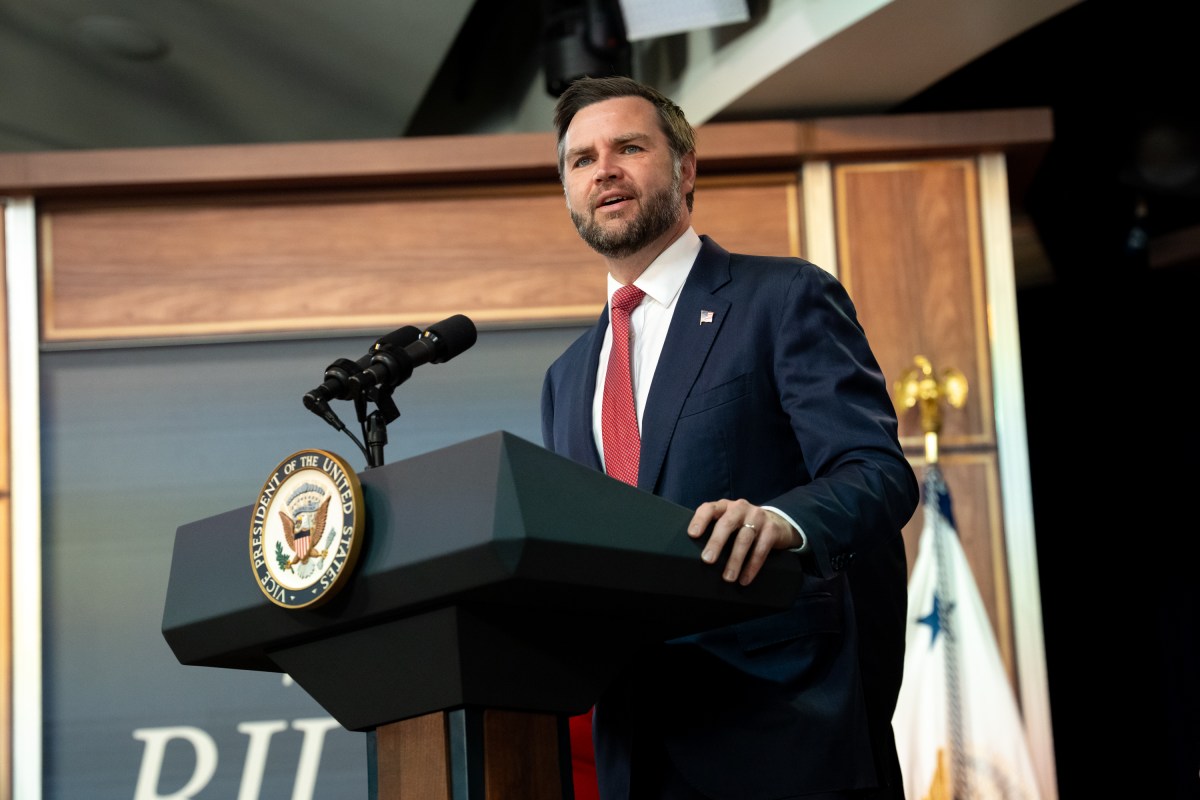
J.D. Vance is a prominent Republican politician who became vice president of the United States in January 2025. Before entering the vice presidency, he served as a U.S. senator from Ohio.
Vance’s political identity is associated with economic nationalism, stricter immigration enforcement, conservative social positions, and questions about how the United States should approach international commitments.
His supporters may see him as a representative of a conservative movement that wants to change the way Washington approaches the economy, trade, immigration, and government priorities.
For voters who believe that the needs of American workers and communities should receive greater attention, his political message may be appealing.
Some may appreciate his criticism of policies they believe have disadvantaged American manufacturing or left certain communities struggling with economic change.
Others may be interested in his views on border security, national identity, and the role of the federal government.
For these voters, the central question is whether his approach would deliver practical results for ordinary Americans.
Could his economic policies create opportunities for workers? How would his immigration proposals affect businesses, families, and border communities? What would his approach mean for America’s relationships with other countries?
These questions are important because presidential policies often involve trade-offs.
A proposal intended to protect one industry, for example, may have different consequences for consumers, other industries, and international trade partners.
Similarly, changes to immigration policy can affect border enforcement, employers, labor markets, government administration, and humanitarian responsibilities.
Supporters and critics may disagree about how those trade-offs should be handled.
Critics of Vance’s political positions raise concerns about some of his social policies, immigration proposals, and approach to international affairs. They may prefer a leader who takes a different position on these issues.
That is why voters should examine specific proposals rather than relying only on a candidate’s political label.
A meaningful comparison considers what a candidate wants to achieve, how they plan to do it, and what the likely consequences might be.
If you would choose J.D. Vance, what would be your main reason?
Would it be his economic priorities, his approach to immigration, his conservative political philosophy, or his views about America’s future role in the world?
And what issue would you want him to address first if he became president?
━━━━━━━━━━━━━━━━━━
🇺🇸 OPTION B: KAMALA HARRIS

Kamala Harris is a prominent Democratic politician who served as vice president of the United States from 2021 to 2025. She was also the Democratic presidential nominee in the 2024 election.
Her political career has included work involving civil rights, criminal justice, healthcare, economic policy, and other national issues.
Supporters may view Harris as a leader who would continue pursuing Democratic priorities, including protecting reproductive rights, expanding certain economic opportunities, and supporting public programs.
For voters who prioritize these issues, her political experience and policy positions may be important considerations.
Some may believe that the country needs a president who places greater emphasis on healthcare access, the cost of living, workers’ interests, and protections for individual rights.
Others may be interested in how she would approach international relations, economic competition, and cooperation with America’s allies.
Her experience in national government is another factor voters may consider.
However, experience alone does not guarantee that every policy will succeed. Voters may also want to evaluate the results of previous decisions, the details of future proposals, and a candidate’s ability to respond to unexpected challenges.
Harris has faced criticism from political opponents over immigration, economic concerns, her communication style, and decisions made during the administration in which she served.
Some voters question whether her approach would adequately address the issues they consider most urgent.
Others disagree with her political philosophy or believe a Republican president would better serve their priorities.
These competing views demonstrate why political choices can be complicated.
A person may agree with a candidate on healthcare but disagree with them on taxes. Another may support their positions on individual rights while wanting a different approach to national security.
No single issue necessarily determines how every voter makes a decision.
If Kamala Harris were your choice, what would be the biggest reason?
Would you prioritize healthcare, reproductive rights, economic opportunity, civil rights, or her experience in national government?
What specific policy would you most want her to pursue?
And how would you judge whether she had succeeded?
Thinking about measurable outcomes can make political discussions more useful than simply debating which candidate has the strongest supporters.
━━━━━━━━━━━━━━━━━━
🇺🇸 OPTION C: GAVIN NEWSOM

Gavin Newsom is the Democratic governor of California and a nationally recognized figure in American politics.
His political profile is associated with Democratic positions on climate change, reproductive rights, gun regulation, healthcare, and the role of government in addressing social and economic problems.
Supporters may view Newsom as a potential national leader who would pursue a more progressive direction for the country.
They may appreciate his willingness to challenge conservative policies and his experience leading a large state with a diverse population and a major economy.
For these voters, issues such as environmental protection, access to healthcare, housing, and individual rights may be particularly important.
Some may believe that policies developed or tested at the state level could offer ideas for addressing national challenges.
However, governing California also brings significant challenges, and critics frequently point to concerns about housing affordability, the cost of living, homelessness, and public safety.
These issues are relevant to discussions about his record because voters may reasonably ask how a potential president would approach similar problems nationally.
California is not identical to the rest of the United States. States differ in population density, industries, tax systems, housing markets, political culture, and access to public services.
A policy that works in one setting may need adjustments before it can work in another.
For example, housing affordability can involve zoning, construction costs, interest rates, transportation, local regulations, and the availability of homes.
Addressing such problems requires more than a general promise to make housing cheaper. Voters may want to understand the specific measures a candidate would pursue and how success would be evaluated.
Newsom’s supporters and critics can disagree sharply about the best solutions.
Supporters may emphasize public investment and progressive reforms. Critics may prefer less regulation, different spending priorities, or policies designed to give businesses and local governments greater flexibility.
A careful evaluation should examine the evidence for competing approaches and consider their likely effects on different communities.
If Gavin Newsom were your choice, what would be your main reason?
Would you support his positions on climate policy, healthcare, individual rights, or economic issues?
Would his experience as governor influence your decision?
Or would you want to see a different approach to housing, taxes, and the cost of living before considering him for president?
Your answers can reveal which policies matter most to you when thinking about national leadership.
━━━━━━━━━━━━━━━━━━
🇺🇸 OPTION D: MARCO RUBIO

Marco Rubio is a Republican politician who became U.S. secretary of state in January 2025. Before that appointment, he served as a U.S. senator from Florida.
Rubio has been associated with conservative positions on many domestic issues and a strong focus on foreign policy, national security, and America’s relationships with countries around the world.
His background in the Senate and his experience in foreign affairs are factors that voters may consider when evaluating his potential as a future national leader.
Supporters may value his attention to international competition, security challenges, and the importance of American influence abroad.
Some may prefer a president who places significant emphasis on diplomacy, defense, and strategic relationships with other nations.
Others may be interested in his views on economic policy, immigration, and the role of government.
For voters who prioritize conservative leadership and national security, these issues may be important reasons to consider Rubio.
However, foreign policy involves difficult decisions that rarely have simple answers.
A president must weigh national interests, diplomatic relationships, military risks, economic consequences, and the potential effects of decisions on civilians and international stability.
Voters may therefore want to examine not only a candidate’s stated priorities but also their judgment, experience, and ability to explain how they would handle difficult situations.
Rubio’s political positions also face criticism from people who disagree with his views on immigration, domestic policy, or America’s international responsibilities.
Some voters may prefer a less interventionist foreign policy. Others may want different approaches to trade, healthcare, taxes, or social issues.
These disagreements are part of the wider debate over what American leadership should look like in the coming years.
If Marco Rubio were your choice, what would be the main reason?
Would you prioritize his foreign-policy background, national security, conservative positions, or experience in the Senate?
Would you want the next president to focus more on international affairs or domestic challenges?
And which issue would you want him to address first?
━━━━━━━━━━━━━━━━━━
🤔 WHAT REALLY MATTERS WHEN CHOOSING A PRESIDENT?
The names in this quiz may attract attention, but the deeper question is what voters expect from the person leading the country.
A president influences many aspects of national policy, but the office also operates within a constitutional system. Congress passes federal legislation, courts interpret the law, state governments have their own powers, and many policy outcomes depend on cooperation among different institutions.
That means voters should consider not only what a candidate promises but also whether the proposed changes are realistic and how they might be implemented.
Here are some of the major questions Americans may want to consider.
💵 1. THE ECONOMY AND THE COST OF LIVING
Economic concerns affect nearly every household.
People want to know whether wages can keep up with expenses, whether jobs will be available, whether businesses can grow, and whether families will be able to afford housing, food, transportation, and healthcare.
Different voters may prefer different economic approaches.
Some favor lower taxes and fewer regulations, arguing that these measures can encourage business investment and job creation.
Others support public investment, worker protections, and government programs intended to expand economic opportunity and reduce hardship.
Both approaches involve questions about costs, incentives, and outcomes.
Voters can compare candidates by examining their proposals on taxes, spending, employment, trade, housing, and inflation.
They can also ask who would benefit, who might bear the costs, and whether the proposals could be implemented through the powers available to the president.
The most useful question is not simply which candidate promises a stronger economy. It is which policies are likely to produce sustainable improvements and how those improvements would be measured.
🏥 2. HEALTHCARE AND AFFORDABILITY
Healthcare is another important concern.
Many families worry about insurance premiums, prescription drug prices, hospital bills, and access to doctors.
People also disagree about the appropriate role of government in financing and delivering healthcare.
Some favor expanding public programs. Others emphasize private-sector competition, consumer choice, and reducing administrative burdens.
Candidates may propose different combinations of these approaches.
Voters should examine how each proposal would affect access, affordability, quality of care, and public spending.
They may also want to know how policies would affect people with limited incomes, older adults, families with children, and people who receive insurance through their employers.
The details matter because a policy can have different consequences for different groups.
📚 3. EDUCATION AND FUTURE OPPORTUNITIES
Education helps shape the country’s workforce and the opportunities available to future generations.
Parents may care about school quality, classroom resources, safety, and whether students are prepared for life after graduation.
Young adults may focus on college costs, vocational training, apprenticeships, and access to well-paying jobs.
Voters can compare candidates’ positions on school funding, education standards, student debt, workforce development, and the division of responsibility between federal, state, and local governments.
They can also ask how a proposal would be funded and what evidence suggests it would improve educational outcomes.
A meaningful plan should explain how it would help students develop the skills they need while recognizing that communities have different needs.
🛡️ 4. NATIONAL SECURITY AND FOREIGN POLICY
The president plays an important role in national security and international relations.
Voters may prioritize military readiness, cybersecurity, diplomacy, trade, international alliances, and the prevention of armed conflict.
Some believe the United States should maintain a strong presence in international affairs. Others argue that the country should exercise greater restraint and concentrate more resources on domestic needs.
These perspectives can produce different opinions about defense spending, overseas commitments, and diplomatic strategies.
A candidate’s foreign-policy proposals should therefore be evaluated in terms of objectives, costs, risks, and likely consequences.
Voters can ask how a candidate would respond to an international crisis, protect American interests, work with allies, and avoid unnecessary escalation.
The best choice will depend partly on which risks and priorities a voter considers most important.
🏡 5. IMMIGRATION AND BORDER MANAGEMENT
Immigration is one of the most debated subjects in American politics.
Some voters emphasize stronger border enforcement and consistent application of immigration laws.
Others focus on humanitarian protections, legal immigration pathways, family unity, and the contributions immigrants make to the economy.
Many people have concerns that touch on several of these areas at once.
The debate includes practical questions about border resources, asylum procedures, employers, public services, and the administration of immigration law.
Voters should examine the actual policies proposed by each candidate rather than assuming that a party label tells the whole story.
They can ask whether a proposal is legally workable, how it would be administered, what it would cost, and how it would affect communities and businesses.
⚖️ 6. RIGHTS, FREEDOM, AND THE RULE OF LAW
The president has a responsibility to uphold the Constitution and operate within the limits of the office.
Voters may consider a candidate’s approach to freedom of speech, religious liberty, privacy, due process, elections, and the independence of government institutions.
People may disagree about specific policies, but evaluating how a candidate approaches constitutional responsibilities is an important part of choosing national leadership.
A healthy democracy allows citizens to criticize elected officials, participate in political debate, and express different opinions without intimidation.
Presidents also operate alongside Congress, the courts, and state governments. Respecting these institutions matters because no president has unlimited authority.
🌎 7. AMERICA’S ROLE IN THE WORLD
The United States has extensive economic, diplomatic, and security relationships around the world.
Some voters want the country to maintain a leading international role. Others believe it should be more selective about overseas commitments.
Questions about trade, foreign aid, international agreements, military cooperation, and diplomacy can influence how people evaluate presidential candidates.
Voters can ask which relationships a candidate considers essential, how the candidate would respond to international competition, and what costs or risks might follow from the proposed approach.
They can also consider how international decisions might affect American workers, businesses, national security, and global stability.
🤝 8. LEADERSHIP AND THE ABILITY TO WORK WITH OTHERS
Policy positions are important, but leadership also involves judgment, communication, decision-making, and cooperation.
The president must often work with lawmakers who disagree, respond to emergencies, select qualified advisers, and make decisions with incomplete information.
Some voters value a forceful leadership style. Others prefer a leader who emphasizes negotiation and consensus.
Different circumstances may call for different approaches, and no single communication style guarantees effective government.
Voters can consider how a candidate handles criticism, explains difficult choices, responds to mistakes, and works with people who hold different views.
They can also ask whether the candidate offers realistic solutions rather than relying only on slogans.
━━━━━━━━━━━━━━━━━━
🔥 THE BIG QUESTION: WHICH FUTURE DO YOU WANT FOR AMERICA?
Imagine that you have reviewed the candidates’ records, considered their policy proposals, and thought carefully about the issues that matter most to you.
You now have to make your choice.
Would you select J.D. Vance because you prefer his conservative approach and views on economic nationalism?
Would you select Kamala Harris because you favor her positions on Democratic policy priorities and individual rights?
Would you select Gavin Newsom because you support his progressive approach to several social and economic issues?
Or would you select Marco Rubio because you value his conservative political background and experience in foreign affairs?
Your answer may be different from your neighbor’s, your friend’s, or even someone in your own family.
That is normal in a country with a diverse population and a wide range of political beliefs.
The important thing is to understand why you prefer one option and what you hope that person would accomplish.
Think about your priorities.
Do you want lower living costs?
More employment opportunities?
A different approach to immigration?
Greater access to healthcare?
Stronger national security?
More effective diplomacy?
Changes in education policy?
Or a leader who you believe could reduce political division?
Perhaps you care about several of these issues and would weigh them differently when evaluating each candidate.
You may also decide that none of the four options perfectly represents your preferences. That is a reasonable possibility in a hypothetical poll.
The purpose of the quiz is to encourage people to share their opinions, consider different perspectives, and discuss what they want from America’s next president.
It is not a prediction of the 2028 election, and it does not mean that these four figures will necessarily be the final candidates.
The actual presidential field may change as political parties, voters, and potential candidates make their decisions.
━━━━━━━━━━━━━━━━━━
👇 NOW IT IS YOUR TURN!
🇺🇸 WHO WOULD YOU LIKE TO SEE AS AMERICA’S NEXT PRESIDENT?
🅰️ J.D. VANCE
🅱️ KAMALA HARRIS
©️ GAVIN NEWSOM
🇩 MARCO RUBIO
COMMENT A, B, C, OR D BELOW!
💬 Tell us the main reason behind your choice.
🔥 If you could ask your preferred candidate one question about America’s future, what would you ask?
🗳️ Which issue should the next president prioritize during the first year in office?
Would it be the economy, immigration, healthcare, education, national security, or something else?
Share your opinion and explain your reasoning. You might discover that other people have very different priorities, even when they want similar things for the country.
Please keep the discussion respectful. People can disagree about politics without attacking one another personally.
🇺🇸 EVERY VOTE BEGINS WITH A CHOICE. WHAT WOULD YOURS BE?
Note: This is a hypothetical discussion about possible future leadership. The 2028 presidential election has not yet taken place, and the eventual nominees have not been determined.