Imagine that the 2028 presidential election is approaching, and you have the opportunity to choose who you would most like to see leading the United States next.
The decision could shape the country’s direction for years to come, influencing the economy, jobs, immigration, healthcare, education, national security, and America’s role in the world.
Now imagine that you have only four choices in front of you:
A — Donald Trump
B — J.D. Vance
C — Gavin Newsom
D — Kamala Harris
Which one would you choose?
Take a moment before answering. Think about the issues that matter most to you, the kind of leadership you want to see, and the future you hope America will build.
There is no single answer that every American will agree on. Different people have different priorities, experiences, beliefs, and expectations for their country’s future.
Some voters prioritize economic growth and lower costs. Others care most about healthcare, immigration, education, individual rights, public safety, or America’s position on the international stage.
For some people, strong leadership means standing firm against political opponents. For others, it means bringing people together, listening to different perspectives, and finding solutions that can earn broad public support.
That is what makes this question so interesting.
It is not simply about choosing a name. It is about deciding which priorities, policies, and leadership qualities you want to see in the White House.
━━━━━━━━━━━━━━━━━━
🇺🇸 OPTION A: DONALD TRUMP
Donald Trump remains one of the most recognizable and influential figures in American politics. His political movement has attracted strong support from voters who want a different approach to government, immigration, trade, and the economy.
Many of his supporters value his promises to prioritize American interests, strengthen border enforcement, challenge established political institutions, and pursue policies they believe will benefit American workers and businesses.
For these voters, Trump’s direct communication style and willingness to confront political opponents are important parts of his appeal.
They may believe that the country needs a leader who is prepared to challenge existing arrangements and pursue an ambitious political agenda.
However, Trump also faces substantial criticism. Opponents raise concerns about his leadership style, political divisions, immigration policies, and the potential consequences of his decisions for democratic institutions and international relationships.
Some voters question whether his approach can bring the country together, while others strongly disagree with his policy priorities.
These differences help explain why opinions about Trump can be so intense.
For one voter, his willingness to challenge the political establishment may be a major advantage. For another, the same approach may be a reason to prefer a different leader.
Supporters and critics often look at the same political events and reach very different conclusions.
If Trump is the person you would choose, what matters most to you?
Is it his economic agenda, his approach to immigration, his foreign policy, his communication style, or something else entirely?
And if you would choose someone else, which issue or leadership quality would make the biggest difference in your decision?
━━━━━━━━━━━━━━━━━━
🇺🇸 OPTION B: J.D. VANCE
J.D. Vance represents another prominent figure in contemporary American conservative politics.
His political identity is associated with a focus on working-class communities, economic opportunity, immigration enforcement, cultural issues, and a more restrained approach to some overseas commitments.
Supporters may see Vance as someone who can carry forward important parts of the modern conservative movement while developing his own leadership style and political priorities.
Some voters are interested in how he discusses the concerns of Americans who feel that economic and political changes have left their communities behind.
Others are attracted to his positions on manufacturing, national identity, trade, and the role of the federal government.
For these voters, the question is whether a new generation of conservative leadership could address longstanding problems in a different way.
Critics, however, disagree with several of his positions and raise concerns about the possible effects of his policies on immigration, social issues, and America’s relationships with its allies.
As with any political figure, the consequences of his proposals would depend on their details, how they were implemented, and how Congress and other institutions responded.
Choosing a president also involves considering more than public speeches or political identity.
Voters may want to examine a candidate’s experience, judgment, proposed policies, ability to work with Congress, and record of responding to difficult situations.
If Vance were your choice, what would be the main reason?
Would you be interested in his economic priorities, his views on foreign policy, his approach to government, or the possibility of a different style of conservative leadership?
Or would you prefer someone with a different political background and a different set of priorities?
━━━━━━━━━━━━━━━━━━
🇺🇸 OPTION C: GAVIN NEWSOM
Gavin Newsom is a prominent Democratic politician who has served as governor of California.
His political profile is associated with Democratic priorities on issues such as climate policy, reproductive rights, healthcare, gun regulation, and the role of state government in addressing social and economic challenges.
Supporters may see him as a leader who would pursue a more progressive direction for the country.
They may appreciate his willingness to challenge conservative policies and his experience leading a large, economically influential state.
For these voters, the possibility of expanding or protecting certain public programs, addressing climate change, and defending individual rights may be especially important.
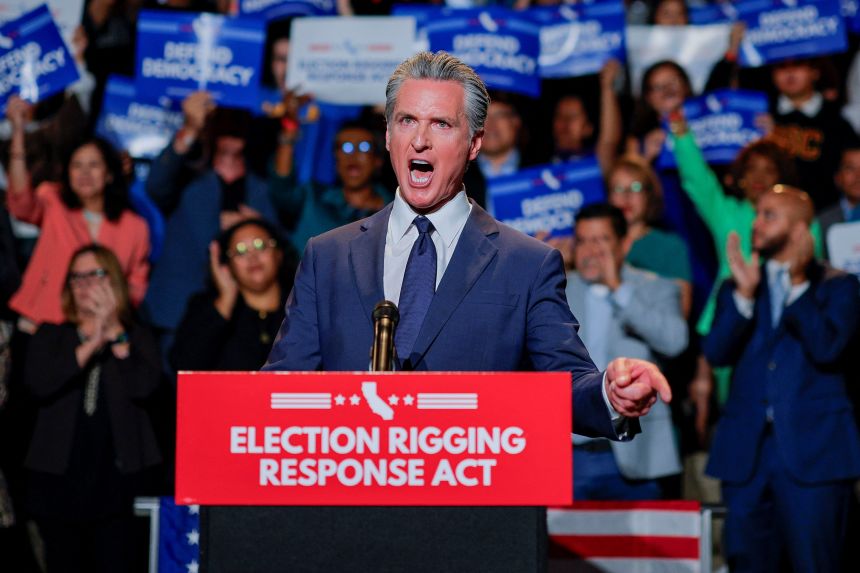
They may also believe that his experience in California could provide a foundation for dealing with national issues.
Critics, on the other hand, often point to concerns about California’s housing affordability, cost of living, homelessness, public safety, and other policy challenges.
They may question whether policies developed in California would work equally well across states with very different economies, populations, and political priorities.
These are important questions for any potential national leader.
A president must consider the needs of urban and rural communities, high-income and low-income households, different industries, and states that may have sharply contrasting views about the proper role of government.
A policy that works well in one location may require substantial changes before it can succeed elsewhere.
That is why voters should consider both a candidate’s stated goals and the practical details of the plans they propose.
If Newsom were your choice, which issue would matter most to you?
Would it be healthcare, climate change, reproductive rights, economic policy, or another priority?
What would you want him to do first if he became president?
━━━━━━━━━━━━━━━━━━
🇺🇸 OPTION D: KAMALA HARRIS
Kamala Harris is another major figure in Democratic politics. She served as vice president of the United States from 2021 to 2025 and was the Democratic presidential nominee in the 2024 election.
Her political career has included work on criminal justice, civil rights, healthcare, economic policy, and other national issues.
Supporters may value her experience in national government and her positions on protecting reproductive rights, expanding economic opportunities, and supporting certain public services.
They may see her as a leader who would continue to pursue Democratic policy priorities and place particular emphasis on issues affecting families, workers, and communities.
For some voters, her experience as vice president is an important qualification because it provided exposure to the responsibilities and challenges of national leadership.

Others may value her approach to specific social and economic issues.
However, Harris has also faced criticism over her political record, public communication, policy decisions, and the performance of the administration in which she served.
Some voters question whether her policies would address concerns about household costs, immigration, or the broader direction of the country.
Other voters may disagree with her political philosophy or prefer a different approach to governing.
These differences illustrate why a candidate’s background alone does not settle the question of whether they would be the right choice for president.
Voters must also examine the policies a candidate proposes, the results they have achieved, and how they would respond to the country’s most pressing challenges.
If Harris were your choice, what would be the biggest reason?
Would you prioritize her experience in national government, her positions on individual rights, her economic plans, or another aspect of her political platform?
What specific change would you most want to see under her leadership?
━━━━━━━━━━━━━━━━━━
🤔 WHAT SHOULD AMERICANS CONSIDER BEFORE CHOOSING?
A presidential election is about much more than personality, party loyalty, or a memorable campaign slogan.
The president has significant responsibilities involving national security, foreign relations, federal agencies, legislation, and the implementation of federal law.
The president also works within a constitutional system that includes Congress, the courts, state governments, and many other institutions.
That means a candidate’s promises should be evaluated alongside the practical limits and responsibilities of the office.
Here are several questions voters might consider before deciding who they would prefer to lead the country.
1️⃣ THE ECONOMY AND THE COST OF LIVING
For many households, the economy is one of the most important election issues.
People want to know whether they will be able to afford housing, groceries, transportation, education, healthcare, and other everyday expenses.
Workers may be concerned about wages, job security, career opportunities, and whether businesses in their communities can grow.
Small-business owners may focus on taxes, regulations, access to credit, and consumer demand.
Retirees may pay close attention to inflation, healthcare expenses, and the stability of retirement income.
A useful comparison involves looking beyond campaign promises and asking how a candidate’s proposals might affect different households.
Would the proposed policies encourage investment and job creation?
How might tax changes affect people at different income levels?
What could happen to government spending, public debt, and inflation?
Would the policies help families manage everyday expenses, and what trade-offs might they involve?
These questions deserve careful consideration regardless of which candidate a voter prefers.
2️⃣ IMMIGRATION AND BORDER POLICY
Immigration is another major issue in American politics.
Some voters emphasize border security, enforcement of immigration laws, and the need for an orderly immigration system.
Others focus on humanitarian protections, family unity, legal pathways to immigration, and the contributions immigrants make to American communities and the economy.
Many people care about several of these concerns at the same time.
The debate involves practical questions about border management, asylum procedures, employment, public services, and the treatment of people who enter or remain in the country without legal authorization.
Voters can compare candidates by examining the specific measures they propose, how those measures would be implemented, and what consequences they might have.
They can also ask whether a candidate explains how the proposals would be funded and administered.
A strong debate should consider both the goals of immigration policy and the legal and humanitarian responsibilities involved.
3️⃣ HEALTHCARE AND FAMILY WELL-BEING
Healthcare affects people of different ages, income levels, and backgrounds.
Some voters want to reduce insurance premiums and medical expenses. Others emphasize access to doctors, prescription medications, mental healthcare, and affordable treatment for chronic illnesses.
Families may also care about maternity care, children’s health, and the cost of medical emergencies.
When evaluating candidates, voters can ask how each would address insurance affordability, the availability of healthcare professionals, prescription drug prices, and the quality of care.
They can also consider the potential effects of proposed changes on taxes, government budgets, employers, and patients.
A policy should not be judged only by its slogan. The details matter.
4️⃣ EDUCATION AND OPPORTUNITY
Education shapes future employment opportunities and the long-term strength of communities.
Parents may be concerned about school quality, classroom resources, school safety, and whether students receive the support they need.
Students and young adults may focus on college affordability, vocational training, apprenticeships, and access to good jobs.
Voters may disagree about how much responsibility should belong to the federal government, state governments, local school districts, and families.
A useful question is whether a candidate has a practical plan to improve educational opportunities while respecting the different needs of communities.
The details of funding, teacher recruitment, school accountability, and career preparation can be just as important as broad statements about education.
5️⃣ NATIONAL SECURITY AND FOREIGN POLICY
The president plays an important role in national security and America’s relationships with other countries.
Voters may prioritize military readiness, diplomacy, trade relationships, international alliances, cybersecurity, and efforts to prevent conflict.
Some people believe the United States should take a more active role in international affairs. Others favor greater restraint and want the government to focus more resources on domestic priorities.
These perspectives can lead to different conclusions about defense spending, international assistance, and diplomatic commitments.
Before choosing a candidate, voters can ask how the candidate would respond to international crises, work with allies, manage risks, and protect American interests.
They can also consider the financial and human costs of different approaches.
6️⃣ DEMOCRACY, RIGHTS, AND THE RULE OF LAW
Another important consideration is how a candidate understands the responsibilities and limits of presidential power.
The United States has a constitutional system designed to distribute authority among different branches and levels of government.
Presidents make important decisions, but they do not have unlimited authority.
Voters may consider a candidate’s approach to constitutional rights, judicial independence, elections, transparency, and the peaceful transfer of power.
They may also examine whether the candidate respects lawful oversight and the role of Congress and the courts.
These questions are relevant to every political party and every administration.
A healthy democracy depends on citizens being able to debate public policy, criticize political leaders, participate in elections, and expect government institutions to operate under the law.
━━━━━━━━━━━━━━━━━━
💬 NOW IT IS YOUR TURN!
Imagine that you could choose one of these four political figures to lead America after the 2028 election.
A — Donald Trump
B — J.D. Vance
C — Gavin Newsom
D — Kamala Harris
Which option would you select?
Would you choose the person whose policies most closely match your own beliefs?
Would you prioritize experience, economic plans, national security, healthcare, immigration, or another issue?
Or would you prefer a candidate who could bring together people with different political views?
Think about your answer and share the reason behind it.
You do not have to agree with everyone else in the discussion. In fact, different opinions are part of what makes political conversations interesting.
The goal is to explain your choice, listen to other perspectives, and discuss the future of the country in a respectful way.
👇 COMMENT A, B, C, OR D BELOW!
💬 If you could explain your decision in just one sentence, what would you say?
🇺🇸 What is the single most important issue you want the next president to address?
Let’s have a thoughtful conversation about America’s future.
Remember: the 2028 election has not yet taken place, and this list is a hypothetical discussion rather than a confirmed list of nominees. The eventual candidates and their platforms may be different.
Your vote is your voice. Use it thoughtfully, learn about the issues, and make your decision based on the information and values that matter most to you.
🇺🇸 SHARE YOUR OPINION — AND KEEP THE DISCUSSION RESPECTFUL!