
A Journey Through War, Loneliness, Friendship, Survival, and the Character Who Became an Icon of American Cinema
For generations of movie fans, one name has represented determination, survival, and an unforgettable chapter in American action cinema.
John Rambo.

With his unmistakable appearance, quiet personality, and complicated past, Rambo became one of the most recognizable fictional characters in movie history.
He was not introduced as an ordinary Hollywood hero.
He was a former soldier struggling to find his place in a world that seemed to have moved on without him.
Behind the famous name was a character whose story explored loneliness, the consequences of war, the difficulty of returning to civilian life, and the search for belonging.
Portrayed by Sylvester Stallone, Rambo became the central figure in a film franchise that stretched across several decades.
His journey began with First Blood in 1982.
What followed was a series of films that took the character through different countries, personal challenges, and extraordinary fictional adventures.
But the story of John Rambo is about more than action and adventure.
It is also about a man who struggled with his memories, lost important relationships, and repeatedly found himself caught between the life he wanted and the past he could not escape.
To understand why audiences remember him so strongly, it is important to look beyond the famous movie scenes and explore the character’s beginnings.
The Character Who First Appeared in a Novel
Before John Rambo became a familiar face in Hollywood, he existed in the pages of a novel.

Author David Morrell introduced the character in his 1972 book, First Blood.
The novel presented a former American soldier whose experiences during the Vietnam War had deeply affected his ability to return to ordinary civilian life.
Morrell created a character who was intelligent, complicated, and emotionally troubled.
He was not simply a person looking for another confrontation.
He was someone whose past continued to influence his present.
The novel attracted attention because it explored the relationship between military service, social rejection, and the challenges faced by veterans returning home.
When the story was adapted for cinema, John Rambo reached an entirely new audience.
The character’s appearance changed in the process, but the central idea remained recognizable.
He was a man carrying experiences that other people could not easily understand.
That emotional foundation helped separate the original story from many conventional action films of its era.
Sylvester Stallone Brings John Rambo to Life
In 1982, actor Sylvester Stallone portrayed John Rambo in First Blood.

At the time, Stallone was already internationally recognized for his role as Rocky Balboa.
However, Rambo offered him an entirely different kind of character.
Rocky was a determined boxer whose story centered on opportunity, perseverance, and personal achievement.
Rambo was a former soldier dealing with isolation and the difficult transition back into civilian society.
The two characters shared determination, but their emotional journeys were very different.
Stallone’s performance helped audiences see the person behind Rambo’s intimidating reputation.
He communicated much of the character’s experience through facial expressions, silence, and brief moments of conversation.
Rambo was not someone who explained everything about himself.
Instead, viewers gradually learned about his past through the circumstances surrounding him.
That approach made the character feel more complicated than a traditional action protagonist.
Stallone also became closely involved in shaping the character’s cinematic journey.
His work as an actor, writer, and later director helped maintain a connection between the different installments of the franchise.
The result was a fictional personality that audiences continued following for decades.
A Vietnam Veteran Searching for a Place to Belong
One of the central themes of First Blood is Rambo’s difficulty adjusting to life after military service.

When audiences first meet him, he is traveling alone.
He has lost contact with many people from his military past and discovers that one of his former companions has died.
That news reinforces his feeling that the world he once knew has disappeared.
He eventually arrives in the small town of Hope, Washington.
There, he encounters local law enforcement officials who view him as an unwanted outsider.
The misunderstanding between Rambo and the authorities becomes the foundation of the film’s conflict.
What begins as an uncomfortable encounter develops into a much larger confrontation.
But the most important part of the story is not simply the disagreement itself.
It is what the situation reveals about Rambo.
He is a former soldier who has difficulty finding acceptance in civilian society.
His military experiences have shaped his identity, but the people he encounters do not understand his background.
The film asks viewers to consider what happens when someone returns from a major national conflict and struggles to reconnect with ordinary life.
It also explores how fear, misunderstanding, and a lack of communication can turn a difficult situation into something much more serious.
Colonel Sam Trautman: The Man Who Understood Him

One of the most important relationships in Rambo’s story is his connection with Colonel Samuel Trautman, portrayed by Richard Crenna.
Trautman is more than a former military commander.
He is one of the few people who understands Rambo’s personality and recognizes the complicated experiences behind his behavior.
Their relationship is built on years of shared military history.
Trautman knows that Rambo is not simply the intimidating figure described by others.
He understands that the man standing before him has a complicated emotional past.
Throughout the original trilogy, Trautman often serves as a connection between Rambo’s military identity and the civilian world.
He represents familiarity, guidance, and a relationship that existed long before the events shown in the movies.
For Rambo, that connection is important.
He has spent much of his life feeling misunderstood, but Trautman knows him from a time when their relationship was based on trust and shared experiences.
Richard Crenna’s performance helped establish the emotional importance of this relationship.
His character brought a different dimension to the franchise, reminding audiences that Rambo’s story was not only about an individual.
It was also about friendship, loyalty, and the people who remain important throughout a person’s life.
The Film That Changed the Direction of the Franchise
The original First Blood was released on October 22, 1982.

It introduced audiences to a character who was very different from many action heroes of the period.
Instead of beginning with a conventional heroic mission, the film focused on a former soldier struggling with the difficulties of returning to civilian life.
Its tone was more grounded and psychological than the later installments.
The story also gave audiences a reason to think about the experiences of Vietnam veterans and the challenges of being accepted after returning home.
The film’s success helped establish Rambo as a recognizable name in popular culture.
However, the character’s cinematic direction would change significantly in the years that followed.
The next installment would take him into a different kind of story, transforming the franchise into a larger action-adventure series.
Rambo: First Blood Part II and a New Chapter
In 1985, Sylvester Stallone returned as John Rambo in Rambo: First Blood Part II.
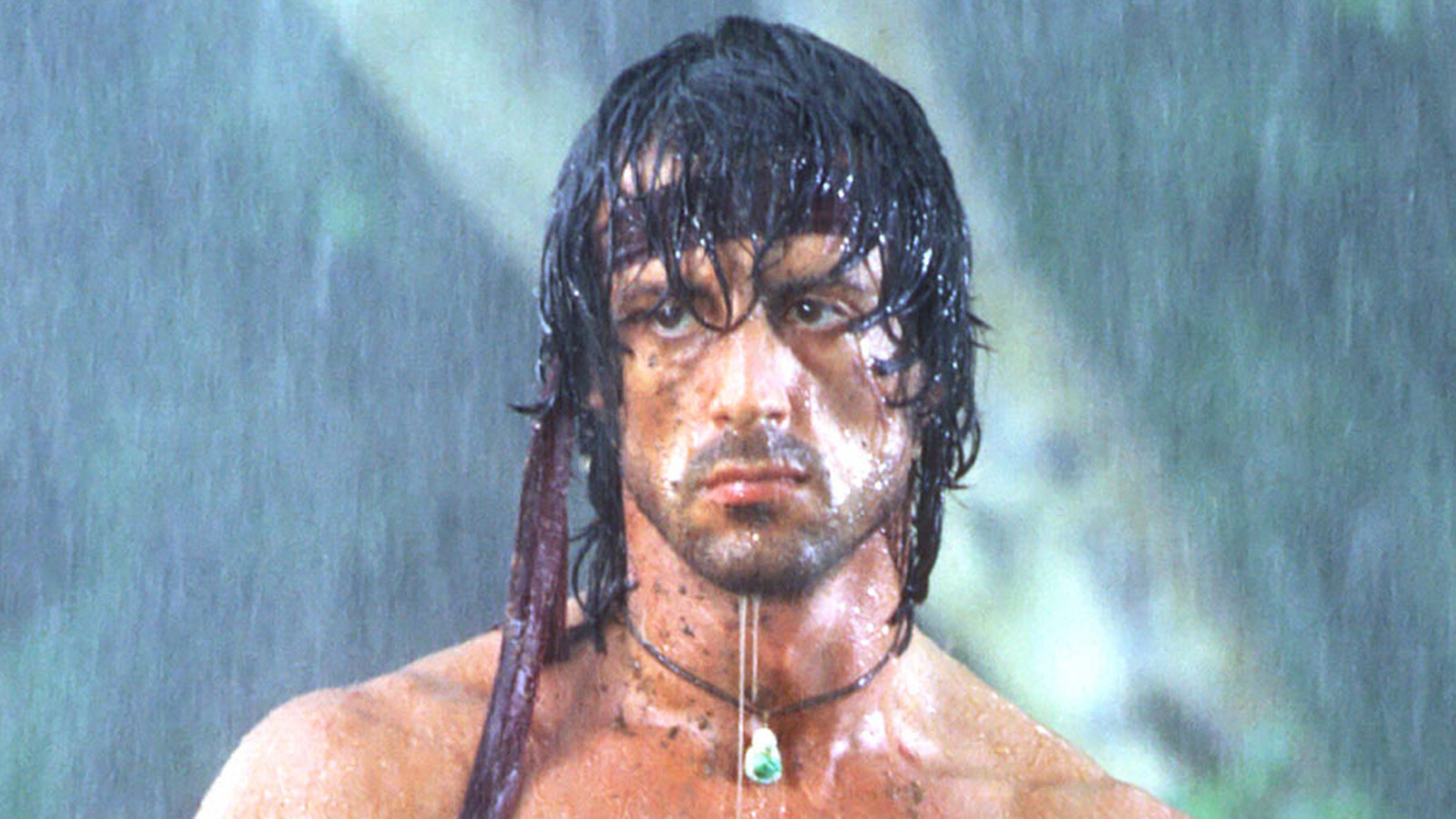
The sequel expanded the character’s fictional world and placed him in a new mission connected to his Vietnam War experiences.
This time, Rambo was given an opportunity to revisit a place associated with his military past.
The story involved an assignment connected to American prisoners of war who were believed to remain in Vietnam.
The film introduced a larger international setting and shifted the franchise toward the action-oriented style that would become closely associated with the character.
For audiences, the sequel offered a different experience from the original movie.
The first film had focused heavily on Rambo’s difficulties at home.
The second explored his relationship with his past and the unresolved questions surrounding the war.
It also expanded the character’s public image.
Rambo was no longer simply a former soldier trying to find a place in civilian society.
He had become an internationally recognized action hero.
The film’s success helped establish the franchise as a major part of 1980s popular entertainment.
Rambo III: Another Chapter in an Unfinished Journey
In 1988, the character returned in Rambo III.
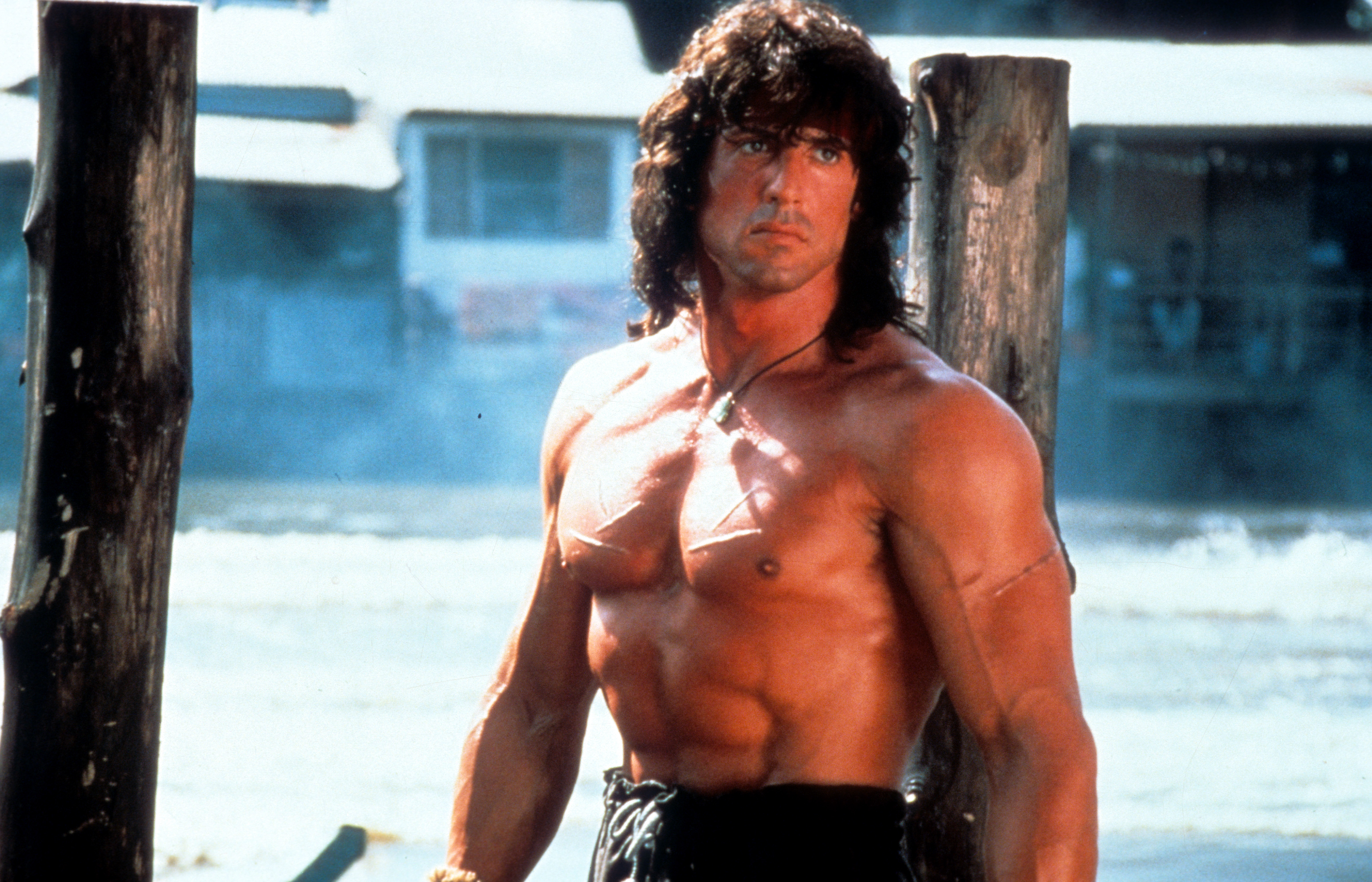
This installment moved the story to Afghanistan and once again brought Colonel Trautman into the center of Rambo’s life.
When Trautman becomes involved in a dangerous situation, Rambo faces a personal decision.
The relationship between the two men becomes the emotional foundation of the story.
For audiences who had followed the franchise from the beginning, their connection remained one of the most recognizable parts of the series.
Rambo was often portrayed as someone who preferred solitude.
Yet the story repeatedly demonstrated that certain relationships could bring him out of isolation.
Trautman was one of those people.
The third film expanded the international scale of the franchise while maintaining the importance of loyalty and friendship.
It also marked another major moment in the character’s cinematic history.
By the end of the 1980s, John Rambo had become an internationally recognizable figure.
His name was familiar even to people who had never watched every film in the series.
But the character’s journey was far from over.
After Rambo III, the franchise entered a long period without a new theatrical installment.
For approximately two decades, audiences waited to see whether Stallone would ever return to the role.
And when he finally did, viewers would meet a much older version of the character.
A man who had spent years trying to leave his past behind.
A man who had discovered that distance could not always separate someone from the memories they carried.
And a man whose next chapter would introduce a very different perspective on the legend of John Rambo.
PART 2: THE RETURN OF A LEGEND — FROM A LIFE OF ISOLATION TO A LEGACY THAT CONTINUES
A Hero Who Never Truly Found Peace

For many years, audiences believed they had seen the final chapter of John Rambo’s story.
After the events of Rambo III in 1988, the character disappeared from movie theaters for two decades. Yet the silence surrounding the franchise did not mean that audiences had forgotten him.
Rambo remained one of the most recognizable figures in action cinema. His name represented strength, survival, determination, and the complicated experiences of a soldier trying to find a place in the world after war.
When Sylvester Stallone returned to the role in 2008, audiences encountered an older John Rambo. He was no longer the young man who had first appeared in First Blood. He had spent years living quietly in Thailand, far from the attention of the world.
But peace had never been simple for him.
2008: The Return of John Rambo
The fourth film, simply titled Rambo, brought the character back to the big screen after a twenty-year break.

Stallone not only returned as the lead actor but also directed and co-wrote the film. The story found Rambo living a secluded life in Thailand, where he worked as a boatman and tried to avoid becoming involved in conflict.
His quiet existence changes when a group of Christian aid workers asks him to guide them along the Salween River toward Burma, now officially known as Myanmar.
The group hopes to deliver humanitarian assistance to people affected by the conflict in the region.
At first, Rambo is reluctant to help. He has spent years distancing himself from the life he once knew, and he understands that entering a dangerous situation could bring back memories he would rather leave behind.
However, he eventually agrees to take the group upriver.
When the aid workers fail to return, Rambo is drawn into another rescue mission. The story once again places him in a situation where he must confront the world he has tried so hard to leave.
The 2008 film was darker in tone than some earlier installments. It focused on the consequences of conflict and the difficult choices facing a man who has never completely escaped his past.
More importantly, it showed that Rambo’s story was not simply about physical strength. It was also about isolation, responsibility, and the emotional cost of living through years of hardship.
An Older Rambo, But the Same Inner Struggle
One of the most interesting aspects of the 2008 film is how it presents an older version of the character.

Rambo is no longer searching for recognition or trying to prove himself to anyone. He has become a quiet man who prefers to keep his distance from other people.
Yet the film suggests that his past continues to influence his decisions.
He may want an ordinary life, but he cannot completely ignore suffering when it appears directly in front of him.
This conflict is central to understanding the character.
Rambo is often remembered for his strength and determination, but his more meaningful qualities are his loyalty and his willingness to help people who have been placed in difficult circumstances.
The film also reminds viewers that the character is not a perfect hero. He is a fictional person shaped by difficult experiences, mistakes, and emotional struggles.
That complexity is one reason audiences continued discussing him long after the original movie was released.
The Meaning Behind Rambo’s Long Journey
Across the first four films, Rambo’s life follows a difficult emotional path.
In First Blood, he is a veteran struggling to adjust to civilian life.
In Rambo: First Blood Part II, he is sent into a mission connected to the unresolved questions surrounding prisoners of war.
In Rambo III, his personal relationships and loyalty become central to the story.
Then, in the 2008 film, he is an older man who has withdrawn from society but is still unable to completely separate himself from the suffering of others.
These stories are connected by more than action and adventure.
They explore what happens when someone carries difficult memories for years and struggles to build a peaceful future.
That is an important reason why Rambo became more than an ordinary action-movie character.
2019: Rambo’s Story Takes Another Emotional Turn
Eleven years after the fourth film, Sylvester Stallone returned once again in Rambo: Last Blood.

Released in 2019, the movie introduced a different side of the character.
Instead of beginning with Rambo traveling through another international conflict, the story showed him living on a ranch in Arizona.
For a man who had spent much of his life moving from one difficult situation to another, the ranch represented something he had rarely experienced: a place that felt like home.
He had developed a close relationship with Gabriela, a young woman who was part of his extended family.
Their relationship gave the story an emotional foundation. Rambo was no longer simply a lonely veteran living far from everyone else. He had people in his life whom he deeply cared about.
For the first time in a long while, the possibility of a quieter future seemed within reach.
But the story takes a difficult turn when Gabriela travels to Mexico and disappears.
Rambo becomes determined to find her, and the film follows his journey as he confronts the situation surrounding her disappearance.
Although Last Blood returns to the franchise’s familiar themes of danger and revenge, its emotional center is the bond between Rambo and the people he considers family.
The Importance of Family in Last Blood
One of the most significant differences between the earlier films and Last Blood is the importance of family.
In the original First Blood, Rambo is almost completely isolated. He has no stable home and struggles to connect with the people around him.
By 2019, the character has changed.
He has found a place to live and has formed meaningful relationships. Those connections give him a reason to imagine a future beyond his difficult past.
The relationship with Gabriela is particularly important because it reveals a protective and caring side of Rambo.
He is not simply a character defined by his reputation. He is someone who wants the people close to him to have opportunities that he never had.
That emotional dimension helps explain why the story of Last Blood is more than another chapter in an action franchise.
It is also a story about attachment, responsibility, and the fear of losing the small amount of peace a person has managed to build.
Sylvester Stallone and the Character He Made Famous
It is difficult to discuss John Rambo without recognizing Sylvester Stallone’s contribution.
Stallone helped shape the character into one of the defining figures of modern action cinema.
His performance changed over the years as the character aged. The younger Rambo of First Blood was quiet, uncertain, and deeply affected by his experiences.
The later versions became more experienced and confident, but the emotional history remained part of the character.
Stallone also took on important creative responsibilities in the franchise. He directed and co-wrote the 2008 film, and he contributed to the story and screenplay of Last Blood.
His long association with Rambo helped create a connection between the actor and the character that lasted for decades.
For many viewers, imagining another actor in the role became difficult because Stallone had become so closely associated with the name.
Yet the future of the franchise would eventually introduce a new generation to the character.
Why Rambo Became a Cultural Icon
Rambo’s influence reached far beyond the movies themselves.
His name became widely recognized in popular culture. People who had never watched every film could still recognize the character’s appearance and understand the image associated with him.
The franchise also became part of a larger conversation about how American cinema portrayed war, veterans, patriotism, and national identity.
The original First Blood offered a more personal look at a veteran struggling to return to civilian life. Later films moved toward larger action stories and different political settings.
That change helped make the franchise recognizable, but it also created different reactions among critics and audiences.
Some viewers appreciated the entertainment and the character’s determination. Others preferred the emotional complexity of the first film.
Both reactions reveal something important: Rambo was never just one simple idea.
He could represent courage to one viewer, loneliness to another, and the complicated relationship between war and society to someone else.
The Future: A New Actor Steps Into the Story
The Rambo franchise is preparing for another major chapter.
The upcoming prequel, titled John Rambo, is scheduled for a North American theatrical release on June 4, 2027, according to industry reporting on Lionsgate’s announcement.
The film is set before the events of First Blood and is intended to explore the character’s earlier years.
Noah Centineo has been cast as the younger John Rambo. David Harbour is also part of the cast, with Jalmari Helander directing.
Sylvester Stallone is among the executive producers.
This project represents an important change for the franchise. For the first time in the main film series, another actor will portray Rambo in a feature-length movie.
The challenge will be introducing a younger version of a character whose identity has been closely connected to Stallone for more than four decades.
Audiences will naturally compare the performances. However, the prequel also offers an opportunity to explore parts of Rambo’s life that the earlier movies only discussed.
Rather than simply repeating the stories audiences already know, the new film can examine the experiences that helped shape the person who eventually appeared in First Blood.
Of course, the film has not yet been released, so its story and reception remain to be seen.
A Legacy Bigger Than One Movie
Looking back at the franchise, John Rambo’s journey is remarkable because it has continued across several generations of moviegoers.
The first film introduced a troubled veteran whose experiences had left him struggling to find a place in civilian society.
The sequels expanded the character’s world, while the later films returned to questions of isolation, loyalty, family, and the possibility of peace.
Through all those changes, one central idea remained: Rambo was a person shaped by experiences he could not simply leave behind.
That is what gives the character a more lasting identity than his familiar appearance or reputation.
He is remembered as an action hero, but his story also raises questions about the cost of conflict and the difficulty of rebuilding a life after painful experiences.
The Man Behind the Legend
John Rambo may be fictional, but the themes surrounding him connect with real human experiences.
People can carry difficult memories. They can struggle to feel understood. They can find it challenging to adjust when the world around them changes.
Rambo’s story takes those themes into the dramatic world of cinema, creating a character who has remained recognizable for more than forty years.
His journey is not a perfect example of how someone should respond to hardship. Instead, it is a fictional exploration of a complicated person trying, in his own way, to find meaning and belonging.
That complexity is part of what makes the character interesting.
The Story Is Not Over
From the forests and small towns of First Blood to the later chapters of Rambo and Last Blood, John Rambo has traveled through one of the longest-running character journeys in action cinema.
Sylvester Stallone made the role famous, David Morrell created the character in literature, and generations of filmmakers helped bring different parts of his story to the screen.
Now, with John Rambo scheduled for 2027, a new actor and creative team are preparing to revisit the character’s beginnings.
Whether the next chapter becomes another major success remains to be seen.
But one thing is clear: Rambo has already secured a lasting place in film history.
He is remembered not only for the action surrounding him, but also for the questions his story raises about war, identity, loyalty, family, and the search for peace.
And perhaps that is the most interesting part of John Rambo’s legacy.
Behind the familiar image of the action hero is a fictional character whose story has always been about much more than simply surviving.
His journey became a reminder that even the strongest-looking characters can have complicated pasts—and that finding peace can be one of the hardest journeys of all.